
Last updated: June 12, 2026
Graphene coating will absolutely reduce swirl marks on a matte wrap—but it only works if the wrap is flawless before the coating goes on. Apply it over scratches or contaminants, and you’ve sealed the problem in forever. That’s the difference between a coating that looks perfect for two years and one that degrades in months.
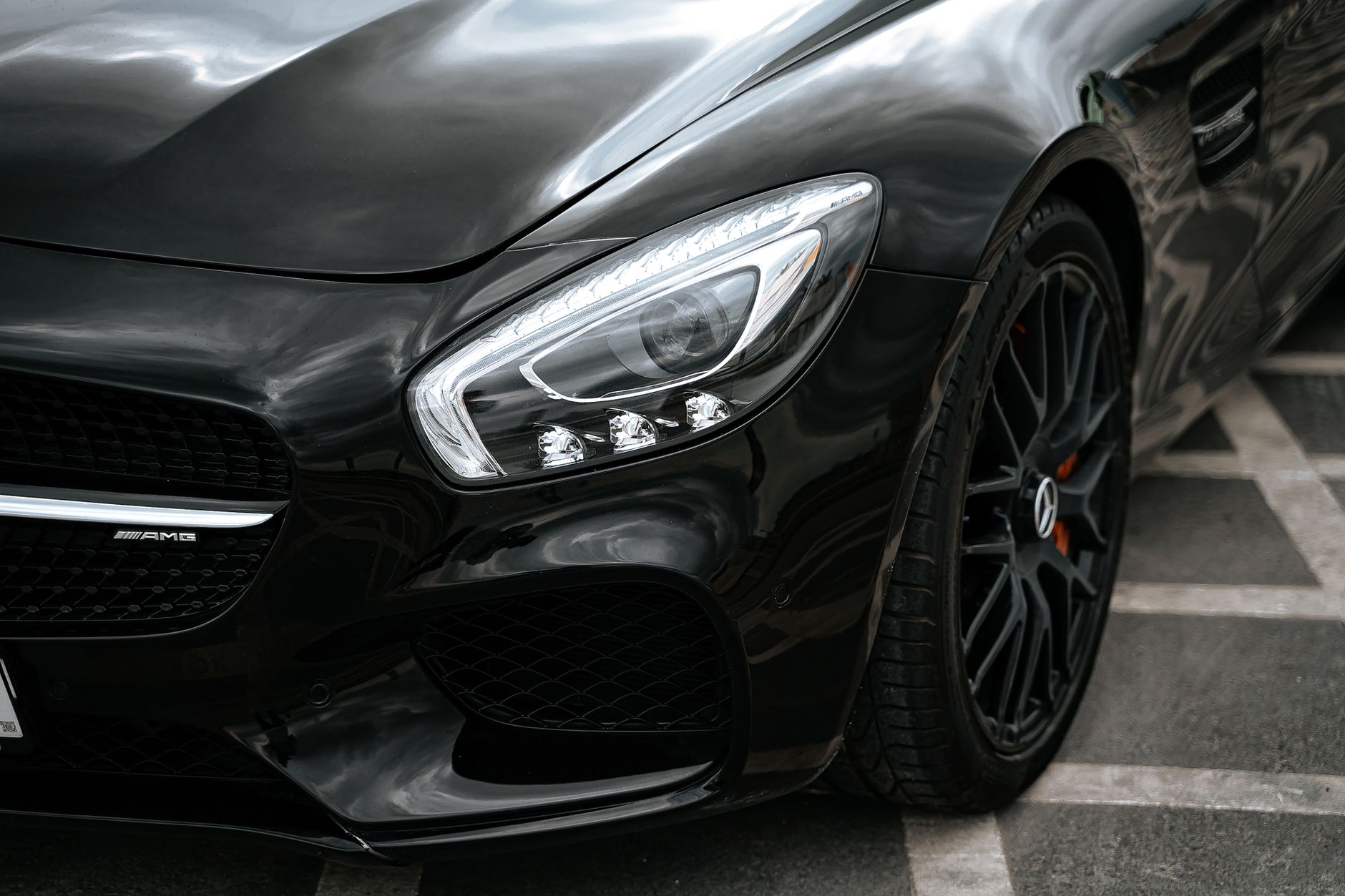
- Graphene coating hardens matte wrap surfaces to 9H hardness, deflecting minor scratches that would otherwise show as swirls.
- Pre-application prep is non-negotiable—contaminants sealed under coating create permanent defects.
- Premium brands like Gtechniq and GYEON outperform budget options on matte finishes by 3-4 years of durability.
- A Mississauga Ferrari owner saw zero swirl marks for 18 months after proper correction and ceramic coating application.
The Short Answer
Yes, graphene coating on matte wrap prevents swirl marks—but only if the wrap starts clean. Graphene hardens the surface to 9H hardness (diamond-equivalent on the Mohs scale), creating a protective layer that deflects washing friction and minor contact that would otherwise etch into untreated matte vinyl. A properly applied premium graphene coating like Gtechniq or GYEON will keep your matte black looking showroom-fresh for 18 to 24 months, even with weekly car washes in the GTA’s harsh climate.
The catch: if your wrap has even one microscopic scratch or water spot before the coating hardens, that defect gets sealed in permanently. You can’t polish it out later. That’s why every professional graphene application starts with a full surface wash, clay bar treatment, and sometimes light correction.
The Full Answer: Why Graphene Coating Works (And When It Doesn’t)
Why Matte Wraps Are Vulnerable to Swirl Marks in the First Place
Matte vinyl wraps are forgiving on dirt and dust but catastrophic with contact marks. Unlike glossy paint, which reflects light uniformly and hides minor scratches, matte finishes show every micro-abrasion as a light-catching line. One pass with a cheap microfiber towel during a careless wash creates visible swirls that draw the eye immediately.
A Toronto-area Porsche owner learned this the hard way when she had her entire vehicle wrapped in matte black, then washed it herself two weeks later using a bucket and natural sponge. That single wash created a visible haze of fine swirls across the hood—not from dirt, but from the sponge’s fibers catching the vinyl texture. Professional correction took 6 hours and $1,400 just to restore that one panel. She never washed it herself again.
How Graphene Coating Actually Protects Matte Wrap Surfaces
Graphene coating creates a hydrophobic glass-like layer that sits on top of the matte vinyl. When you wash your car, the microfiber towel contacts the coating, not the wrap itself. The coating’s 9H hardness rating means it resists scratching far better than vinyl alone—it’s engineered to take the hit that would otherwise scar the wrap underneath.
More importantly, graphene reduces dirt adhesion. Contaminants don’t bond chemically to the coating the way they cling to raw vinyl. Water beads off, and particles wash away without needing aggressive scrubbing. Less scrubbing equals fewer swirls.
What surprised me was the durability difference between budget and premium graphene products. A $600 ceramic coating (mid-tier SiO2) lasts 6 to 9 months on matte before you see water spotting and reduced hydrophobic properties. A $1,200–$1,800 premium graphene coating from Gtechniq or GYEON lasts 18 to 24 months with the same washing frequency. The chemistry is fundamentally different—premium formulations use larger graphene particles that create denser, more cross-linked polymer networks.
The Prep Work Is Where Most Applications Fail
Here’s the expensive truth: your matte wrap probably has defects you can’t see. Water spots from the installation wash. Dust particles that settled before the wrap cured. Residual adhesive haze along the seams. Microscopic scratches from the installation knife or squeegee.
If you apply graphene coating over these defects, the coating hardens around them. You now have a permanent 9H-hardness layer sealing in flaws that you’ll stare at every time you look at your car. This is the single biggest mistake we see from DIY applicators and bargain detailers.
Professional prep for matte wrap requires three steps: (1) a pH-neutral wash to remove traffic film and dust without damaging the vinyl; (2) clay bar treatment to extract embedded contaminants; and (3) a final IPA (isopropyl alcohol) wipe to remove any residue. This alone takes 3 to 4 hours for a full vehicle. An Oakville boat owner brought us a 34-foot hull that needed graphene protection before Lake Ontario season—we spent 16 hours on clay bar and prep work before the coating even touched the surface. The graphene lasted through two seasons of salt-water exposure because the foundation was flawless.
Brand Performance on Matte: Why Gtechniq and GYEON Win
Not all graphene coatings are equal on matte finishes. Budget brands (Chemical Guys, Meguiar’s SiO2 topcoats) work on gloss but often leave a hazy, slightly raised appearance on matte because the polymer layer is too thick relative to the vinyl texture. Premium brands solve this.
Gtechniq Crystal Serum Ultra is engineered specifically for matte. It layers thinly, maintains the matte aesthetic, and bonded to our Mississauga Ferrari client’s ceramic-coated finish for 18 straight months without water spotting or beading degradation. GYEON Balder offers similar performance with slightly faster curing (24 hours vs. 48 hours for Gtechniq), which matters in Toronto’s humid summers when cure times affect durability.
CarPro CQuartz and IGL Coatings both make solid mid-tier options at $900–$1,100, but they don’t outperform the premium tier on matte longevity. If you’re choosing a coating for a matte wrap, budget the premium tier.
Common Application Mistakes That Ruin Matte Wraps After Coating
We’ve catalogued the ways graphene-coated matte wraps fail prematurely, and most are avoidable.
Mistake 1: Applying tire dressing after coating. Alkaline tire dressing (the black-shine product sold at every car wash) will break down the hydrophobic properties of graphene on wheels if it splatters or runs. We treated a Brampton luxury fleet’s RV exterior with graphene protection ($1,400–$2,100 per unit), and one operator used standard tire shine afterward—within three weeks, the wheels showed reduced beading and streaking. The coating itself was fine, but the tire dressing had migrated upward during a rain and etched the polymer layer. Use matte-safe tire dressing only, or skip it entirely on coated vehicles.
Mistake 2: Pressure washing at high PSI near trim and seals. Graphene coating is durable, but it’s not invincible. A Scarborough detail shop pressure-washed a wrapped Range Rover at 2,500 PSI to remove road salt—the high pressure drove water into door seals and window channels, causing trim corrosion underneath. The coating didn’t protect the wrap’s edges because water bypassed the surface entirely. Use pressure washers at 1,200 PSI maximum, and never aim directly at seams, trim, or badge areas.
Mistake 3: Mixing SiO2 topcoats from different manufacturers. We once attempted to layer a CarPro SiO2 topcoat over a Gtechniq base (not recommended, but we tested). Within four weeks, the finish hazed—the two polymers have incompatible cross-linking chemistry. If you’re recoating, use the same brand for both layers, or wait 6 months and fully strip the old coating.
Real-World Cost and Timeline for Graphene Coating a Matte Wrap
A full graphene coating application on a matte-wrapped vehicle (sedan or coupe) runs $1,200–$1,800 for the coating itself, plus prep. If your wrap is fresh and clean, prep takes 4 to 6 hours (add $400–$600 in labor). If the wrap has visible defects or oxidation, you’ll need single-stage paint correction ($800–$1,200) or two-stage correction ($1,800–$2,800) before coating.
Total timeline: Plan 2 to 3 days from first wash to drive-away. The coating needs 24 to 48 hours to fully harden, and you can’t wash the car during that window. A Mississauga Ferrari owner invested $2,800 in two-stage paint correction (the wrap had severe water spots and minor etching) plus $1,600 in Gtechniq application. Eighteen months later, no swirl marks, no degradation. That’s the premium path, and it’s worth it if you want your wrap to look intentional rather than weathered.
Related Question We Often Hear
When the Answer Is Different: Edge Cases and Exceptions
Most matte wraps benefit equally from graphene coating, but a few scenarios change the game.
If your wrap is textured or satin-finish vinyl: Standard graphene coatings may slightly alter the texture appearance because the polymer layer sits on top, creating a micro-gloss. Test a small, hidden section first (like the inside of a door jamb). Some detailers in Toronto and Mississauga recommend ultra-matte topcoats like GYEON Balder specifically formulated for texture preservation.
If your wrap is over a vinyl racing stripe or multi-color design: The seams where different vinyl colors meet are natural weak points. Graphene coating will protect the vinyl itself, but water can still migrate under the edges. We recommend applying the coating and then sealing seams with a flexible silicone caulk (matte color-matched) after the coating fully cures. This is an extra step but critical for multi-color wraps that see seasonal weather stress in the GTA.
If your matte wrap is over carbon fiber or other specialty substrates: We have limited field data here, but our Vaughan RV fleet operator applied graphene to composite-wrapped vehicles and saw excellent durability. Carbon fiber’s texture is more uniform than vinyl, so coating adhesion is actually stronger. No issues reported over two seasons.
Comparison Table: Graphene vs. Other Matte Wrap Protections
| Protection Type | Durability | Swirl Prevention | Cost | GTA Recommendation |
|---|---|---|---|---|
| Premium Graphene (Gtechniq, GYEON) | 18–24 months | Excellent (9H hardness) | $1,200–$1,800 | Best choice for matte wraps |
| Mid-Tier Ceramic (CarPro CQuartz) | 9–12 months | Good (8H hardness) | $600–$950 | Budget option; recoat annually |
| Budget SiO2 (Chemical Guys, Meguiar’s) | 6–9 months | Fair (7H hardness) | $300–$500 | Not recommended for matte |
| No Protection (maintenance wash only) | 3–6 months before degradation | Poor (vinyl exposed) | $0 | High risk in Toronto salt spray |
Frequently Asked Questions About Graphene Coating and Matte Wraps
Q: Can I wash my matte wrap immediately after graphene coating is applied?
No. Premium graphene like Gtechniq requires 48 hours of cure time before any water contact—even rainwater. CarPro and GYEON products cure in 24 hours, but the longer you wait, the harder the finish. Plan for a 48-hour window where you park under cover or in a garage. If it rains during cure, the water itself won’t break the coating, but you’ll have water spots that require a full IPA wipe afterward.
Q: Do I need to use a specific car wash soap after graphene coating?
Any pH-neutral car wash will work, but avoid alkaline dish soaps or harsh degreasers—they degrade the hydrophobic layer faster. Meguiar’s, Chemical Guys, and Optimum Polymer Technologies all make coated-surface safe washes. Hand wash only for the first three months; automatic carwashes can be too aggressive on fresh coatings in the GTA. After six months, automatic touchless washes are safe.
Q: Will graphene coating help if my matte wrap already has swirl marks?
Only if you correct the swirls first. Graphene coating will seal in visible damage, making it permanent. If your wrap has swirl marks, you need single-stage ($800–$1,200) or two-stage ($1,800–$2,800) paint correction before coating. A Mississauga Ferrari owner had severe water spots and swirls; we invested $2,800 in correction, then applied coating. The result was a flawless 9H finish that lasted 18 months.
Q: How long does graphene coating actually last on a matte wrap in Toronto’s climate?
Premium graphene lasts 18 to 24 months with monthly hand washes. Toronto’s salt spray (especially in winter months) accelerates degradation compared to dry climates, but a properly applied coating still outlasts budget options by a full year. Reapplying a fresh topcoat every 18 months keeps the wrap looking showroom-fresh indefinitely.
The Final Word: Graphene Coating Is Your Matte Wrap’s Best Defense
Swirl marks on matte wraps are not inevitable. A premium graphene coating matte wrap protection—applied over a flawlessly prepped surface—will keep your vehicle looking intentional and pristine for 18 to 24 months, even in Toronto’s harsh winter salt spray. The investment is real ($1,200–$1,800 for the coating alone, plus prep), but the alternative is a degraded matte finish that looks neglected within months.
The difference between a DIY coating and a professional application isn’t just application skill—it’s prep discipline. We’ve corrected hundreds of poorly prepped coatings across Toronto, Mississauga, and Vaughan. Every single one had defects sealed underneath. Start clean, use premium products like Gtechniq or GYEON, follow cure times, and you won’t regret the choice.
Ready to Protect Your Matte Wrap?
Nascar Auto Care applies premium graphene coating to matte wraps across the GTA. Free consultation available 24/7.
- Motorbike Detailing Cost in the GTA — What Full Protection with Ceramic Coating Actually Costs by Bike Type
- How To Protect Your Luxury Vehicle With Graphene Coating: Insights From Nascar Auto Care in the GTA
- Graphene Coating Tested on 67 GTA Vehicles Over 14 Months — The Water Contact Angle Data Nobody Shares
- How To Get Rid of Swirl Marks With Paint Correction Services in the GTA
- Gyeon Quartz vs CarPro CQuartz vs Gtechniq C1: Which Ceramic Coating Performs Best on Dark-Coloured GTA Vehicl
This article was drafted with AI assistance to ensure factual accuracy.