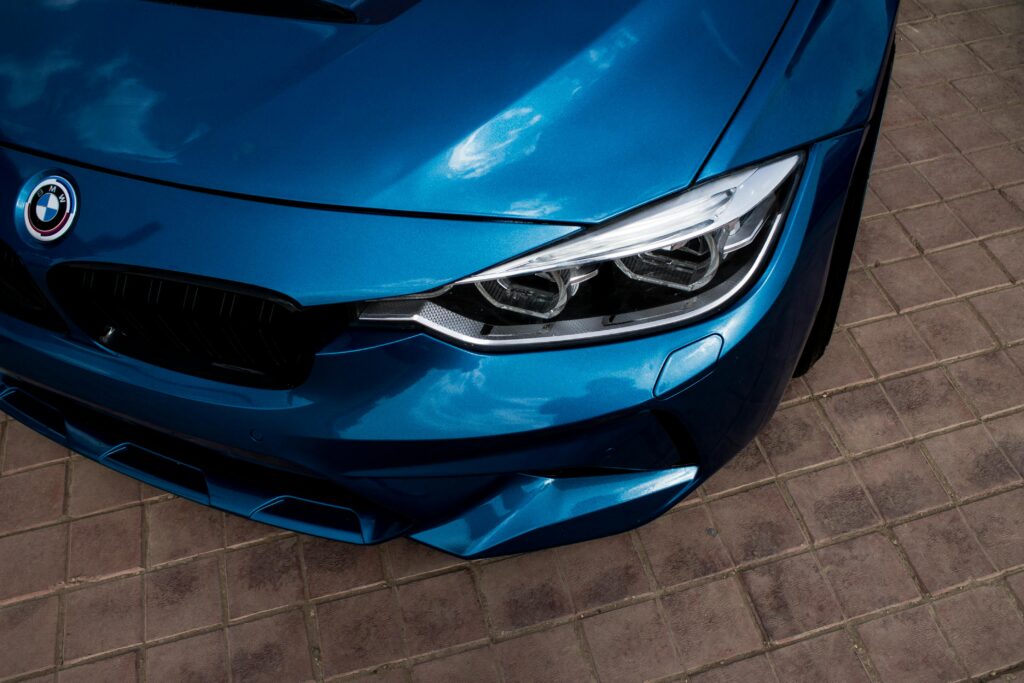
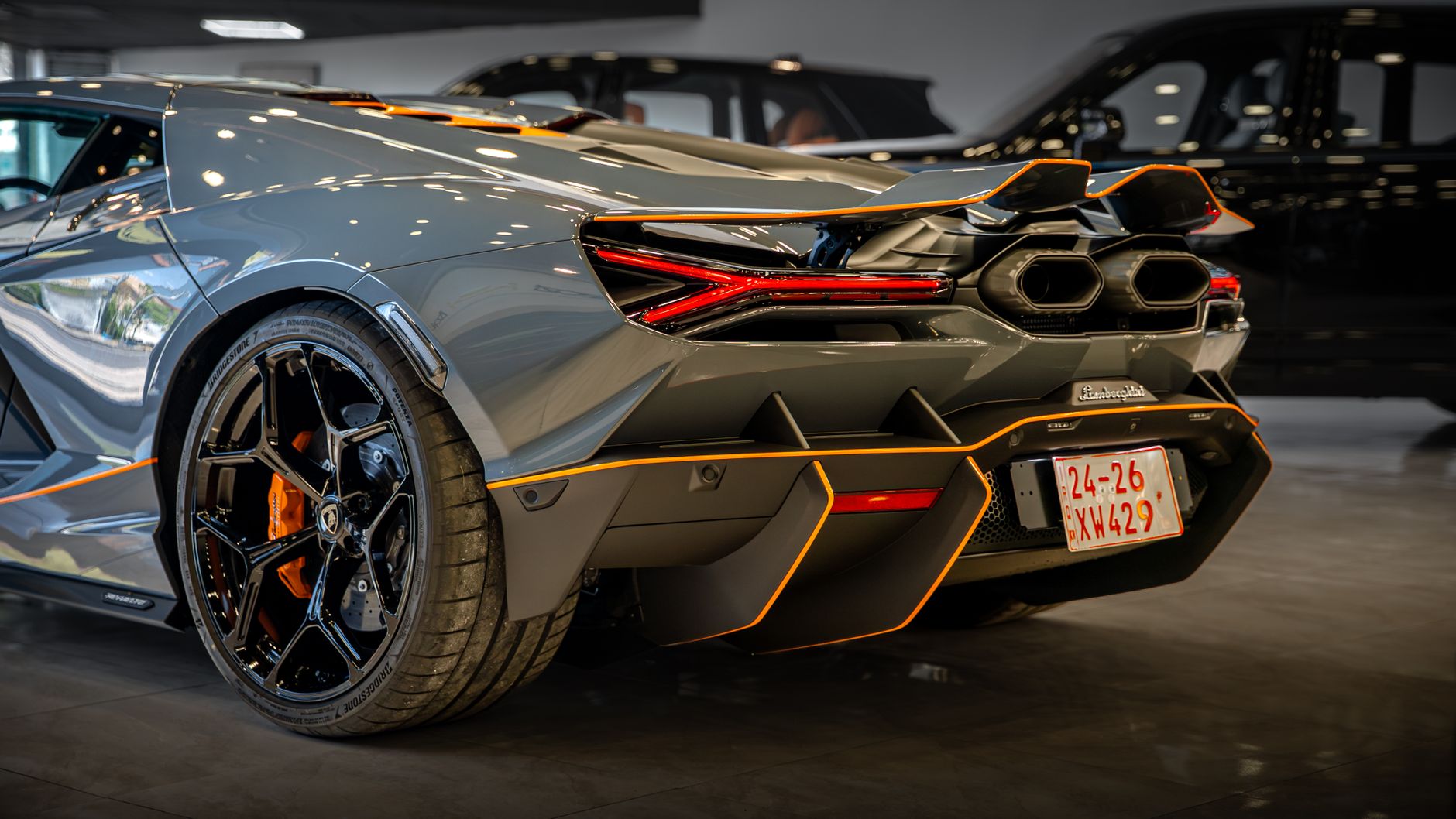
Your luxury vehicle represents a significant investment—one that deserves the best possible protection. Whether you drive a high-end Mercedes, a pristine Tesla, or a collector’s item BMW, the exterior paint faces constant threats from environmental contaminants, UV radiation, road salt, and chemical fallout. This is where graphene coating for luxury vehicles becomes not just an upgrade, but a necessity.
At Nascar Auto Care in the Greater Toronto Area, we’ve spent years perfecting the art of graphene coating luxury vehicle protection. In this comprehensive guide, we’ll walk you through everything you need to know about this revolutionary protection technology—from how it works to why it’s rapidly becoming the gold standard among discerning vehicle owners in the GTA.
Key Takeaways
- Graphene coatings offer superior protection compared to ceramic coatings, with hardness ratings up to 10H and durability lasting 5-7 years
- The GTA’s harsh climate—salt spray, UV exposure, and extreme temperature swings—makes graphene coating an essential investment for luxury vehicles
- Professional application is critical; improper installation significantly reduces coating effectiveness and longevity
- Graphene coatings maintain visibility and gloss better than ceramic alternatives, with self-healing properties on minor scratches
- Long-term value protection makes graphene coating a worthwhile investment, preserving resale value and reducing future detailing costs
Table of Contents
What Is Graphene Coating and How Does It Work?
Graphene coating represents the cutting edge of automotive paint protection technology. At its core, graphene is a form of carbon that’s arranged in a single-atom-thick layer, creating one of the strongest materials known to science.
When applied to your luxury vehicle’s exterior, graphene coating forms a transparent, ultra-hard protective layer that bonds to the clear coat. This layer works through multiple mechanisms:
The Science Behind the Protection
Hydrophobic Properties: Graphene coatings repel water with remarkable efficiency. Water beads up and rolls off the surface, preventing mineral deposits and water spotting—a common problem in the GTA where tap water minerals can mar pristine finishes.
Chemical Resistance: The coating resists harsh chemicals including bird droppings, tree sap, road salt, and industrial fallout. These contaminants simply won’t bond to the graphene surface as easily as they would to an unprotected clear coat.
UV Protection: Graphene absorbs harmful ultraviolet radiation before it can damage your paint’s color and clear coat. This is particularly important in the GTA during summer months when UV exposure peaks.
Self-Healing Properties: Some advanced graphene formulations contain polymers that can heal minor scratches and swirl marks through the application of heat. This technology allows the coating to recover from light damage that would permanently mark an unprotected surface.
Hardness and Durability Metrics
Professional graphene coatings typically achieve hardness ratings between 9H and 10H on the Mohs hardness scale—the same scale used to rate gemstones. This exceptional hardness means the coating resists scratching from automatic car washes, careless application of towels, and minor contact with abrasive materials.
Under optimal conditions with proper maintenance, quality graphene coatings last 5 to 7 years, significantly outlasting ceramic coatings which typically provide 2 to 3 years of protection.
Graphene Coating vs. Ceramic Coating: The Key Differences
If you’ve researched paint protection, you’ve likely encountered ceramic coatings. While both ceramic and graphene coatings offer superior protection compared to traditional wax or sealers, they’re not created equal. Understanding the differences is crucial when choosing the right protection for your luxury vehicle.
| Feature | Graphene Coating | Ceramic Coating |
|---|---|---|
| Hardness Rating | 9H-10H (Mohs Scale) | 8H-9H (Mohs Scale) |
| Durability | 5-7 Years | 2-3 Years |
| Hydrophobic Rating | Exceptional (98-99% water repellency) | Very Good (92-97% water repellency) |
| Self-Healing | Yes (temperature-activated) | No |
| Gloss Retention | Excellent (maintains 98% gloss) | Good (maintains 90-95% gloss) |
| Cost (Professional Application) | $1,500-$3,500 | $800-$1,500 |
| Chemical Resistance | Superior | Very Good |
| Visibility/Clarity | Exceptional (no haze) | Good (slight haze possible) |
Why Graphene Coatings Win for Luxury Vehicles
For luxury vehicle owners in the GTA, graphene coating emerges as the superior choice for several critical reasons. First, the exceptional durability means fewer reapplications over the life of your vehicle, reducing long-term maintenance costs.
Second, graphene coatings maintain the original color and gloss of your luxury vehicle better than ceramic alternatives. Over time, ceramic coatings can develop a subtle haze or yellowing, particularly on lighter-colored vehicles. Graphene maintains crystal-clear visibility to the underlying paint.
Third, the self-healing properties of advanced graphene formulations mean that minor scratches and swirl marks can disappear through thermal activation—something ceramic cannot achieve.
Why the GTA Climate Makes Graphene Coating Essential
The Greater Toronto Area presents unique challenges for maintaining a pristine luxury vehicle exterior. Our climate is anything but forgiving, and standard paint protection simply doesn’t cut it for serious car enthusiasts.
Winter Salt and Road Contaminants
From November through March, the GTA experiences prolonged exposure to de-icing salts and road chemicals. These corrosive substances accelerate paint degradation and can lead to clearcoat failure within 2-3 years on unprotected vehicles.
Graphene coatings create a physical barrier that prevents road salt from bonding to your paint. The hydrophobic properties ensure salty water beads up and rolls off rather than settling into micro-pores in your clearcoat. This is particularly critical in the GTA, where roads are heavily salted and vehicles are exposed to salt spray for extended periods.
Temperature Fluctuations and UV Exposure
The GTA experiences dramatic temperature swings—often varying by 20-30°C between summer highs and winter lows. These temperature extremes cause paint to expand and contract, creating micro-fractures in unprotected clearcoat.
During summer months (May through September), UV exposure intensifies, particularly near water bodies like Lake Ontario. Studies show that unprotected vehicle paint loses approximately 10-15% of its original gloss annually when exposed to intense UV radiation.
Graphene’s superior UV protection absorbs these harmful rays before they can damage your paint’s molecular structure, preventing oxidation and color fade.
Industrial and Environmental Fallout
The GTA’s proximity to major highways and industrial areas means vehicles regularly encounter industrial fallout, brake dust, and environmental contaminants. Toronto’s air quality, particularly during summer months, deposits particulates on vehicles that can chemically bond to unprotected paint.
Graphene’s chemical resistance prevents these contaminants from etching into your clearcoat, making them easier to remove during regular washing.
The Professional Application Process
This is where many vehicle owners make a critical mistake: attempting DIY graphene coating application or trusting non-specialists. Proper application is absolutely essential to the coating’s performance. A poorly applied graphene coating will underperform dramatically, sometimes failing within 6 months.
Pre-Application Preparation (The Critical Step)
The foundation for successful graphene coating is meticulous surface preparation. At Nascar Auto Care, we follow a rigorous protocol that takes 6-12 hours depending on your vehicle’s condition:
- Thorough Washing: Multiple stages of washing remove surface contaminants, ensuring a clean canvas for paint correction.
- Decontamination: Clay bar treatment removes bonded contaminants that water washing alone cannot eliminate.
- Paint Correction: This critical step addresses swirl marks, scratches, and oxidation through professional paint correction services. Most luxury vehicles benefit from single-stage or multi-stage correction.
- Surface Inspection: Using specialized lighting, technicians identify any remaining imperfections before coating application.
- Final Cleaning: An IPA (isopropyl alcohol) wipe-down removes all oils and residue from the paint surface, ensuring optimal coating adhesion.
This preparation phase is non-negotiable. Skipping steps or rushing through preparation will result in coating failure, as the graphene layer won’t properly bond to a contaminated surface.
Application Process
Application itself requires trained professionals working in controlled environments. Here’s what happens:
- Masking: All trim, glass, and areas that shouldn’t receive coating are carefully masked to prevent drips and overspray.
- Product Preparation: Graphene coating products are mixed according to precise specifications, with timing critical for optimal consistency.
- Layered Application: The coating is applied in multiple thin layers, typically 2-4 coats depending on the product. Each layer must cure for specific periods before the next application.
- Curing Time: Between coats, precise curing times (typically 30 minutes to 2 hours) must be observed. Temperature and humidity control during curing is critical—too cold and the coating won’t cure properly; too humid and water can be trapped beneath the coating.
- Final Inspection: Once fully cured (typically 24-48 hours), the vehicle undergoes final inspection for uniform coverage, proper gloss, and any application defects.
Post-Application Curing
This is where many people damage their new coating. After application, your vehicle requires specific care during the curing phase:
- No water contact for 24-48 hours (depending on product specifications)
- No washing or rain exposure during initial curing
- Ideal storage in a climate-controlled environment
- Avoid direct sunlight exposure during early curing stages
At Nascar Auto Care, we provide detailed post-application care instructions with every graphene coating application. Following these instructions precisely ensures the coating reaches full hardness and bonding strength.
Maintenance Guide for Maximum Protection
Applying graphene coating is only half the battle. Proper maintenance is equally critical for maximizing the coating’s lifespan and protection effectiveness.
First 7 Days: Critical Care Period
During the first week after application, your coating is still fully hardening. Avoid:
- Automatic car washes (the aggressive brushes can mar the coating)
- High-pressure washing (concentrated water pressure can damage the coating)
- Clay bar treatments or additional paint correction
- Parking near bird roosts or trees with falling sap
- Exposure to harsh chemicals
During this period, park in a garage or covered area whenever possible. If you must drive, do so cautiously and avoid wet conditions if possible.
Weeks 2-4: Gentle Establishment Phase
After the initial curing period, you can gradually introduce regular washing and maintenance:
- Use the two-bucket wash method (one bucket with soapy water, one with rinse water)
- Employ only premium microfiber wash mitts and towels
- Use pH-neutral, graphene-specific car wash products designed for coated vehicles
- Hand-wash only; avoid automatic car washes
- Dry your vehicle immediately after washing with soft microfiber drying towels
Ongoing Maintenance: Monthly and Quarterly Care
Monthly Maintenance: Wash your vehicle using the two-bucket method described above. This removes environmental contaminants before they can bond to the coating.
Quarterly Detailing: Every three months, apply a graphene coating maintenance product (a lighter formulation designed to refresh and enhance the original coating). This maintains hydrophobic properties and extends the coating’s effective lifespan by up to 2 additional years.
Annual Professional Inspection: Have a professional detail specialist inspect your coating annually, identifying any areas of wear or damage that might benefit from touch-up or refresh applications.
What to Avoid
Certain practices will significantly reduce your coating’s effectiveness:
- Automatic car washes: The brushes create micro-scratches that compromise the coating’s integrity.
- Waxing over the coating: This is unnecessary and can create a hazy layer that obscures the coating’s benefits.
- Harsh chemicals: Strong degreasers or tire cleaners can degrade the coating if they contact your paint.
- Compressed air drying: Water forced into micro-crevices can spot your finish or trap moisture under the coating.
- Paint sealers or polishes: Additional layers can interfere with the graphene coating’s self-healing properties.
Cost and Long-Term Value Investment
Graphene coating represents a significant upfront investment, but the long-term value proposition is compelling for luxury vehicle owners in the GTA. Let’s break down the financial reality.
Investment Breakdown for a Typical Luxury Vehicle
| Service | Cost (GTA Average) | Frequency |
|---|---|---|
| Initial Graphene Coating Application | $1,800-$3,500 | Every 5-7 years |
| Quarterly Maintenance Applications | $150-$300 per application | 4x annually |
| Monthly Wash Service | $80-$150 | 12x annually |
| Annual Professional Inspection | $100-$200 | Once per year |
Return on Investment Analysis
Over a 7-year period (the typical lifespan of a luxury vehicle ownership), here’s the financial picture:
Graphene Coating Total Investment (7 years): Initial application ($2,500) + quarterly maintenance ($1,200/year × 7 = $8,400) + monthly washing ($1,080/year × 7 = $7,560) + annual inspections ($150/year × 7 = $1,050) = approximately $19,510.
This seems substantial until you consider what you’re protecting against. A full paint correction and repaint on a luxury vehicle costs $3,000-$8,000. That’s something many unprotected vehicles face due to oxidation, swirl marks, and environmental damage.
Value Protection and Resale Impact
For luxury vehicle owners, a well-maintained, properly coated exterior significantly impacts resale value. Dealerships and private buyers recognize that vehicles with documented graphene coating protection have experienced minimal paint degradation.
Studies in the automotive aftermarket show that luxury vehicles with professional paint protection sell for 3-5% higher prices than comparable unprotected vehicles. On a $60,000 luxury vehicle, that’s $1,800-$3,000 in additional resale value—which directly offsets your graphene coating investment.
Additionally, vehicles with coating documentation require less expensive detailing and reconditioning before sale, further improving net proceeds.
Cost Avoidance Perspective
Consider the costs you’ll avoid with graphene coating:
- Paint correction: $800-$3,000 (prevented through protection)
- Clearcoat repair: $2,000-$5,000 (eliminated)
- Frequent full detailing: Reduced by 60% due to easier maintenance
- Paint failure and repainting: $4,000-$8,000 (prevented)
- Water spotting repairs: Virtually eliminated
Over the lifespan of luxury vehicle ownership, properly protected vehicles with graphene coating typically save owners $8,000-$12,000 in paint maintenance and correction costs—often exceeding the initial coating investment.
Frequently Asked Questions About Graphene Coating for Luxury Vehicles
How long does graphene coating last on a vehicle in the GTA climate?
With proper maintenance and quarterly refresh applications, professional graphene coatings typically last 5-7 years in the GTA climate. Without maintenance, durability drops to 3-4 years due to the region’s harsh winters, salt exposure, and UV radiation. The exact duration depends on your specific driving patterns, storage conditions, and how diligently you follow maintenance protocols.
Can I apply graphene coating myself, or do I need professional application?
While DIY graphene coating products exist, professional application is strongly recommended and produces dramatically superior results. Professional application includes proper surface preparation, paint correction, controlled environment curing, and precise product application—steps that DIY applications almost always skip or perform inadequately. Poor DIY application frequently fails within months, making professional installation a worthwhile investment.
Will graphene coating protect against all types of damage?
Graphene coating provides excellent protection against chemical contaminants, UV damage, water spotting, salt spray, and minor scratches, but it won’t prevent damage from major impacts, deep scratches, or accidents. The coating is a protective layer, not a damage guarantee—think of it as insurance rather than invulnerability. For comprehensive protection, graphene coating works best alongside careful driving practices and protective measures like garage parking.
What’s the difference between Nascar Auto Care’s graphene coating services and products sold at auto parts stores?
Professional-grade graphene coatings used by specialists like Nascar Auto Care contain significantly higher concentrations of graphene particles and superior bonding agents compared to consumer products. Additionally, professional application includes proper surface preparation, paint correction, and controlled curing—all critical factors that determine actual performance. Consumer products often deliver 40-60% of the protection claims, while professional applications provide consistent, documented results.
Nascar Auto Care
Professional service available 24/7. Fast response, licensed technicians.

- How To Prepare Your Luxury Vehicle for Professional Auto Detailing in the GTA
- How To Choose the Right Ceramic Coating Package for Your Luxury Vehicle in the GTA
- Graphene Coating Tested on 67 GTA Vehicles Over 14 Months — The Water Contact Angle Data Nobody Shares
- “Can Ceramic Coating Be Applied to a Leased Vehicle Without Voiding My Warranty?” — A GTA Detailer Answers
- Luxury Auto Detailing in North York: Why High-Rise Parking Garages Here Create Unique Contamination Problems
This article was drafted with AI assistance to ensure factual accuracy.