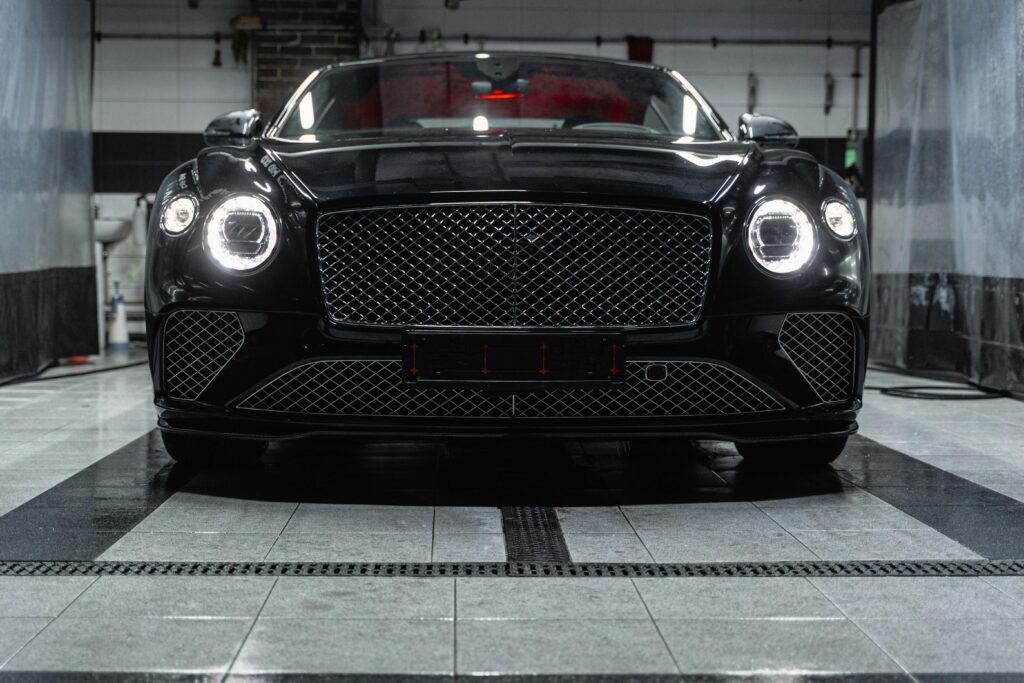
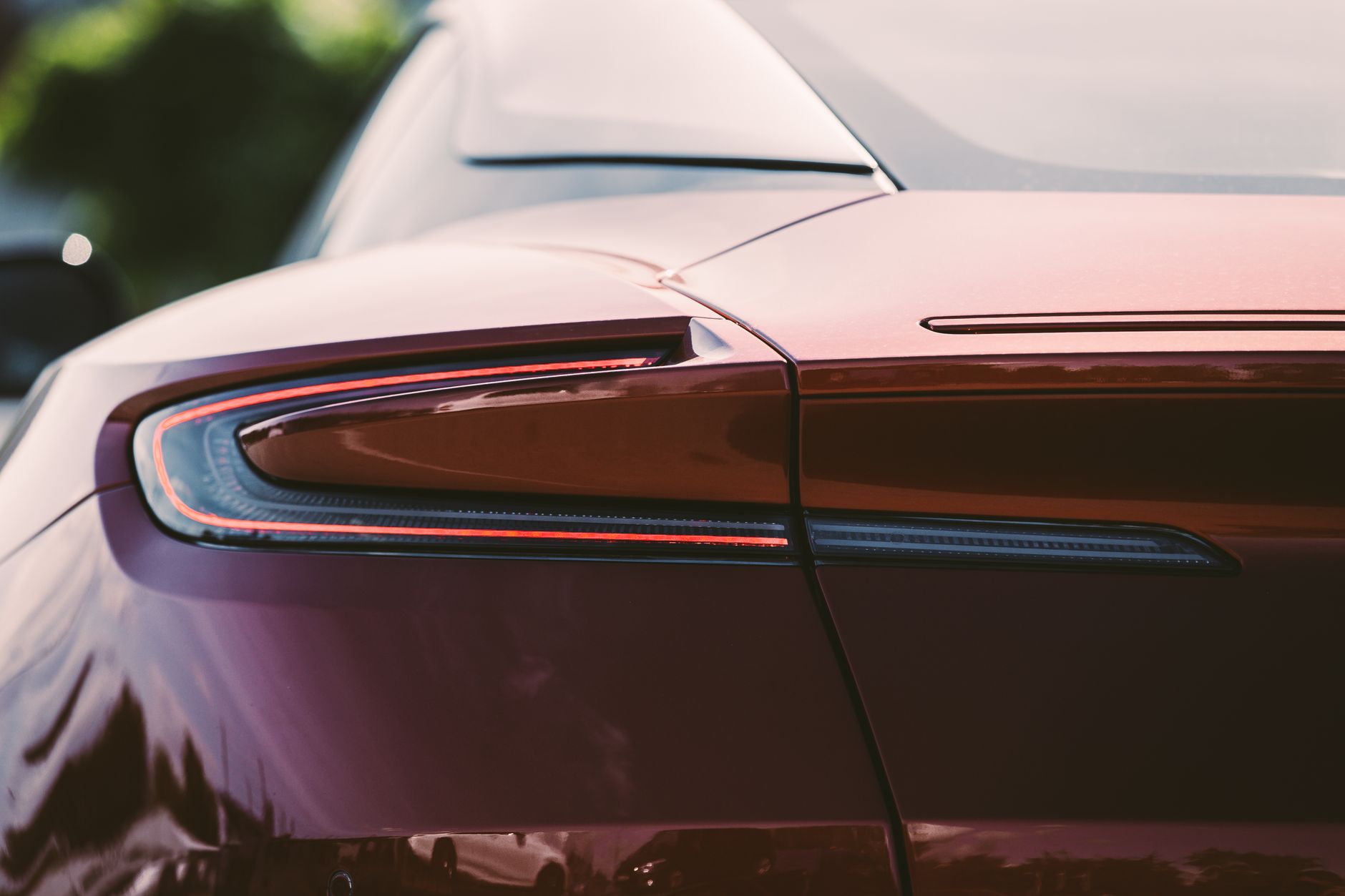
When you own a high-end vehicle, standard car washes simply don’t cut it. Luxury auto detailing for high-end vehicles is a specialized craft that goes far beyond removing dirt and grime—it’s about preserving the pristine condition, value, and showroom appeal of your investment. Whether you drive a Mercedes-Benz, BMW, Porsche, or other premium marque, your vehicle deserves the meticulous care that professional detailing provides.
In the Greater Toronto Area, vehicle owners with premium cars understand the importance of proper maintenance. A single swirl mark on a $100,000+ paint job or interior stains on hand-stitched leather upholstery can significantly impact both the aesthetic and resale value of your vehicle. This comprehensive guide will walk you through everything you need to know about luxury auto detailing for high-end vehicles, from understanding what sets professional detailing apart to choosing the right specialist for your prized possession.
- Professional detailing can increase vehicle resale value by 10-15%
- Ceramic and graphene coatings provide 2-5+ years of protection
- Paint correction removes swirls, scratches, and oxidation safely
- Interior detailing prevents leather, trim, and fabric deterioration
- Premium vehicles require specialized techniques and products
- What Is Luxury Auto Detailing?
- Why High-End Vehicles Need Professional Detailing
- Exterior Detailing: Paint Protection & Restoration
- Interior Detailing: Preserving Luxury Materials
- Ceramic & Graphene Coatings: The Gold Standard
- Paint Correction Services Explained
- Beyond Cars: Boat, RV & Motorbike Detailing
- Between-Service Maintenance Tips
- Frequently Asked Questions
What Is Luxury Auto Detailing?
Luxury auto detailing is a comprehensive, multi-stage process designed to restore, protect, and maintain vehicles to an exceptionally high standard. Unlike standard car washes that primarily remove surface dirt, luxury detailing addresses every aspect of the vehicle—from microscopic paint imperfections to deep-seated interior contaminants.
Professional detailing involves specialized equipment, premium chemical treatments, and techniques refined over years of experience. The process typically includes hand-washing, clay bar treatment, polishing, waxing or coating application, interior vacuuming, upholstery treatment, and tire conditioning. Each step is carefully executed to ensure no damage occurs to sensitive surfaces.
The Difference Between Regular Car Washes and Professional Detailing
A standard car wash at a quick-service facility takes 5-15 minutes and uses automated equipment that can scratch paint and damage trim. Professional luxury auto detailing requires 8-16 hours or more, depending on the vehicle’s size and condition.
| Aspect | Standard Car Wash | Professional Detailing |
|---|---|---|
| Time Required | 5-15 minutes | 8-16+ hours |
| Paint Protection | Temporary, minimal | Long-lasting (2-5+ years) |
| Interior Care | None | Deep cleaning & conditioning |
| Equipment Type | Automated brushes & sprays | Hand tools & specialized machines |
| Damage Risk | High (swirls, scratches) | Minimal (controlled process) |
| Cost | $10-25 | $400-2,500+ |
Why High-End Vehicles Need Professional Luxury Auto Detailing
Luxury vehicles are engineered with premium materials, advanced finishes, and precision-built components that demand specialized care. The paint on a high-end vehicle often features multiple clear coat layers designed for depth and durability, but these can be damaged by improper cleaning techniques.
Beyond aesthetics, professional detailing directly impacts resale value. A well-maintained luxury vehicle can command 10-15% higher asking prices compared to vehicles that appear neglected or poorly maintained. For vehicles worth $50,000-$500,000+, this represents thousands to tens of thousands of dollars in recovered value.
Protecting Your Investment
Luxury vehicles represent significant financial investments. Regular professional detailing:
- Prevents paint oxidation and fading from UV exposure
- Protects leather interiors from cracking and discoloration
- Maintains trim, chrome, and delicate finishes in pristine condition
- Removes contaminants that cause permanent damage (bird droppings, tree sap, industrial fallout)
- Preserves the original showroom appearance and appeal
Exterior Detailing: Paint Protection & Restoration
The exterior of your luxury vehicle is constantly under attack from environmental contaminants—acid rain, industrial fallout, UV radiation, tree sap, bird droppings, and road salt all degrade paint and protective coatings. Professional exterior detailing restores and protects against these threats.
The Multi-Stage Exterior Detailing Process
Stage 1: Pre-Wash and Decontamination
Professional detailing begins with a pre-wash using a pH-balanced soap designed specifically for luxury vehicles. This removes loose dirt and prepares the surface for deeper cleaning. A clay bar treatment follows, which safely removes microscopic contaminants (industrial fallout, overspray) that regular washing cannot address.
Stage 2: Wash and Dry
The vehicle receives a thorough hand wash using the two-bucket method—one bucket with soapy water, one with rinse water. This prevents dirt from being reapplied to the paint. Premium microfiber wash mitts and drying towels are used to prevent swirls and scratches. The process is slow and deliberate, taking 45-90 minutes for a full vehicle.
Stage 3: Paint Correction
If the paint has swirl marks, scratches, or oxidation, professional detailers use machine polishers with varying grit levels to safely remove these imperfections. This is detailed further in our Paint Correction section below.
Stage 4: Protection Application
After achieving a flawless finish, a protective layer is applied—either premium wax, sealant, or more advanced ceramic/graphene coatings (discussed in detail below). This creates a barrier between the paint and environmental hazards.
Wheel and Tire Care
Professional exterior detailing includes specialized wheel and tire treatment. Custom alloy wheels receive deep cleaning to remove brake dust (which contains iron particles that can damage clear coat), while tires are scrubbed and treated with premium tire dressing that enhances appearance and protects rubber from cracking and UV damage.
Interior Detailing: Preserving Luxury Materials
The interior of a luxury vehicle features the finest materials—hand-stitched leather, exotic wood veneers, premium fabrics, and delicate trim. These materials require expert care to maintain their appearance and longevity.
Interior Detailing Components
Leather Care and Protection
Premium leather in luxury vehicles needs conditioning every 6-12 months to prevent cracking, fading, and deterioration. Professional detailers use specialized leather cleaners that remove dirt and oils without damaging the delicate surface, followed by conditioning treatments that restore suppleness and apply protective barriers.
Upholstery and Fabric Treatment
Cloth and specialty fabric seats receive deep extraction cleaning using professional-grade equipment that removes embedded dirt, dust, and allergens. Stain treatments target specific marks, while fabric protectants create hydrophobic barriers that repel liquids and prevent permanent staining.
Dashboard, Trim, and Detail Work
Every surface receives individual attention. Wood veneers are cleaned and treated with specialized products that enhance grain while providing UV protection. Plastic trim, metallic accents, and rubber seals are cleaned and conditioned appropriate to their material. Glass surfaces receive premium treatment for clarity and water repellency.
Odor Elimination and Air Freshening
Professional detailing includes deep odor elimination rather than masking scents with air fresheners. Specialized treatments target the source of odors, whether from spills, mildew, or general use, ensuring your interior smells fresh and clean.
| Interior Element | Cleaning Method | Protection Applied |
|---|---|---|
| Leather Seats | pH-balanced leather cleaner | Leather conditioner & protectant |
| Fabric Upholstery | Extraction cleaning | Fabric protectant spray |
| Wood Trim | Microfiber dusting & gentle cleaning | Wood polish & UV protectant |
| Carpet & Floor Mats | Extraction cleaning & shampooing | Carpet protectant |
| Glass Surfaces | Streak-free cleaning solution | Glass coating for water beading |
Ceramic & Graphene Coatings: The Gold Standard in Protection
Ceramic and graphene coatings represent the pinnacle of paint protection technology for luxury vehicles. These are not traditional waxes or sealants—they are specialized chemical compounds that bond with the paint at a molecular level, creating a durable protective layer.
Understanding Ceramic Coatings
Ceramic coatings are composed of silicon dioxide (SiO2) particles suspended in a liquid carrier. When applied to properly prepared paint, they chemically bond and cure into a hard, transparent layer. This layer provides:
- Superior durability: 2-5+ years of protection (vs. 3-6 months for traditional wax)
- Enhanced gloss: Deepens paint color and creates mirror-like reflections
- Hydrophobic properties: Water beads and rolls off, preventing water spotting
- Chemical resistance: Protects against bird droppings, tree sap, and road salt
- UV protection: Prevents oxidation and fading from sun exposure
- Reduced maintenance: Paint requires less frequent washing and detailing
Next-Generation Graphene Coatings
Graphene coatings represent an evolutionary step beyond ceramic technology. Graphene—a material composed of single layers of carbon atoms arranged in a hexagonal pattern—offers superior performance characteristics.
Graphene coatings provide all the benefits of ceramic coatings, plus enhanced thermal conductivity, superior scratch resistance, and greater longevity (up to 5-7 years or more). For luxury vehicle owners willing to invest in the absolute best protection available, graphene coatings are worth the premium investment.
“A quality ceramic coating is the single best investment luxury vehicle owners can make for long-term paint protection. We’ve seen vehicles maintain showroom-quality paint finishes for 5+ years with minimal maintenance, compared to 6-12 months with traditional wax.”
Cost-Benefit Analysis: Ceramic vs. Graphene
| Factor | Premium Ceramic | Graphene |
|---|---|---|
| Initial Cost | $1,200-2,000 | $2,000-3,500 |
| Durability | 2-5 years | 5-7+ years |
| Maintenance Cost/Year | $200-400 | $150-300 |
| Scratch Resistance | Good | Excellent |
| Gloss Enhancement | Excellent | Superior |
Paint Correction Services Explained
Paint correction is the process of removing surface imperfections from your vehicle’s clear coat without removing the protective layer. This is distinct from repainting—when done properly by skilled professionals, paint correction safely restores a flawless finish.
Common Paint Imperfections Requiring Correction
Swirl Marks are fine scratches typically caused by improper washing techniques, careless drying, or automatic car washes. They’re particularly visible on dark-colored vehicles and create a dulled appearance.
Water Spots form when mineral-laden water dries on paint, leaving deposits that etch into clear coat over time. Hard water areas are particularly susceptible to water spotting damage.
Oxidation occurs when clear coat deteriorates from UV exposure, creating a hazy, dull appearance. This is especially common on older vehicles or those parked outdoors year-round.
Deep Scratches and Scuffs penetrate the clear coat and, if severe, can reach base paint. Some scratches require paint correction; others may need additional touch-up work.
The Paint Correction Process
Professional paint correction begins with a detailed inspection using specialized lighting that reveals every imperfection. Detailers use paint depth gauges to ensure adequate clear coat thickness before beginning correction work.
Correction typically involves multiple stages using machine polishers with progressively finer abrasive compounds and pads. Initial heavy-cut compounds remove deeper imperfections, followed by medium-cut compounds for refinement, and finishing with fine polishing compounds that restore clarity and gloss.
The entire process is data-driven—experienced detailers make adjustments based on paint readings and visual results, ensuring optimal outcomes without compromising clear coat integrity. Nascar Auto Care specializes in paint correction services for luxury vehicles in the GTA, using advanced equipment and proven techniques.
Beyond Cars: Boat, RV & Motorbike Detailing
While automotive detailing is our primary focus, premium vehicles extend beyond traditional cars. Luxury boat owners, RV enthusiasts, and high-end motorbike collectors require specialized detailing services that address unique challenges these vehicles face.
Boat Detailing and Protection Services
Marine environments expose boats to intense UV radiation, saltwater corrosion, algae, and mildew. Professional boat detailing services address these challenges through specialized cleaning, oxidation removal, and protective coatings designed for marine applications.
Boat detailing includes hull cleaning and protection, deck restoration, interior upholstery treatment, metal hardware polishing, and application of marine-grade sealants. These services extend the life of your vessel and maintain its resale value.
RV Detailing and Protection
RVs are exposed to extreme elements during travel—intense sun, rain, road salt, and environmental contaminants. Professional RV detailing involves exterior washing and waxing, interior deep cleaning, roof treatment (critical for preventing leaks), and protection of all exterior materials including fiberglass, rubber seals, and aluminum trim.
Regular RV detailing prevents costly repairs and maintains livability during travel.
Motorbike Detailing and Protection
High-end motorbikes represent significant investments and demand meticulous care. Motorcycle detailing includes chrome polishing, leather seat conditioning, tire treatment, engine bay cleaning (carefully performed to avoid water damage), and application of protective coatings specifically formulated for motorcycle finishes.
Proper motorcycle detailing extends component lifespan and preserves the investment value of premium bikes.
Between-Service Maintenance Tips for Luxury Vehicles
Professional detailing is essential, but proper maintenance between services significantly extends the benefits and protects your investment.
Weekly Maintenance Habits
- Use a touchless or hand wash only—never automated brushes that create swirl marks
- Dry with microfiber towels—air drying leaves water spots; low-pressure air dryers are preferable
- Park in covered areas when possible—protection from sun, rain, and environmental fallout is paramount
- Remove contaminants promptly—bird droppings and tree sap should be addressed within 48 hours to prevent etching
Monthly Maintenance
- Inspect for new contaminants using clay bar treatment if needed
- Condition leather and fabric using quality products appropriate to the material
- Clean wheels and tires to remove brake dust buildup
- Inspect paint for new damage and address minor issues before they worsen
Seasonal Maintenance
Winter in Canada presents particular challenges for luxury vehicles. Road salt accelerates corrosion, while ice buildup can damage delicate trim. Winter detailing should include undercarriage rinsing (to remove salt), enhanced wax application, and protective treatments on vulnerable areas.
Summer maintenance focuses on UV protection—ensure your ceramic or graphene coating is in optimal condition, and consider an additional top coat of wax or sealant before peak sun season.
Frequently Asked Questions About Luxury Auto Detailing
How often should I have my luxury vehicle professionally detailed?
Most luxury vehicle owners benefit from professional detailing every 6-12 months, depending on usage, climate, and whether protective coatings are applied. Vehicles with ceramic or graphene coatings require less frequent detailing—annual service may suffice. Vehicles exposed to harsh elements (road salt, intense sun) may benefit from semi-annual detailing to maintain appearance and protection.
Will paint correction damage my vehicle’s clear coat?
When performed by experienced professionals using proper techniques and equipment, paint correction is safe and should not damage clear coat. Professional detailers monitor paint thickness throughout the correction process to ensure adequate protective layers remain. However, aggressive correction on vehicles with thin clear coat or improper technique can be problematic—always choose certified, experienced specialists.
What is the difference between ceramic coating and traditional wax?
Ceramic coatings chemically bond to paint and last 2-5+ years, while traditional wax sits on top of paint and lasts 3-6 months. Ceramic provides superior protection against UV, chemicals, and scratches, plus enhanced gloss and hydrophobic properties. The initial investment for ceramic is higher ($1,200-2,000 vs. $200-400 for wax), but long-term cost per year of protection is comparable or better when durability is considered.
Can I detail my luxury vehicle myself, or should I use professionals?
While basic maintenance washing can be done by owners using proper techniques, professional detailing requires specialized equipment, premium products, and expertise that prevent damage. Improper technique can cause swirl marks, scratches, or incomplete protection application. For luxury vehicles worth significant investment, professional detailing by experienced specialists is strongly recommended to protect your investment.
Nascar Auto Care
Professional service available 24/7. Fast response, licensed technicians.

- Luxury Auto Detailing in North York: Why High-Rise Parking Garages Here Create Unique Contamination Problems
- A Beginner’s Guide to Auto Detailing in the Greater Toronto Area
- How To Prepare Your Luxury Vehicle for Professional Auto Detailing in the GTA
- Auto Detailing in Vaughan: Why Vehicles Here See Faster Brake Dust Buildup Than Anywhere Else in the GTA
- A Seasonal Guide to Car Detailing in Toronto’s Harsh Climate
This article was drafted with AI assistance to ensure factual accuracy.