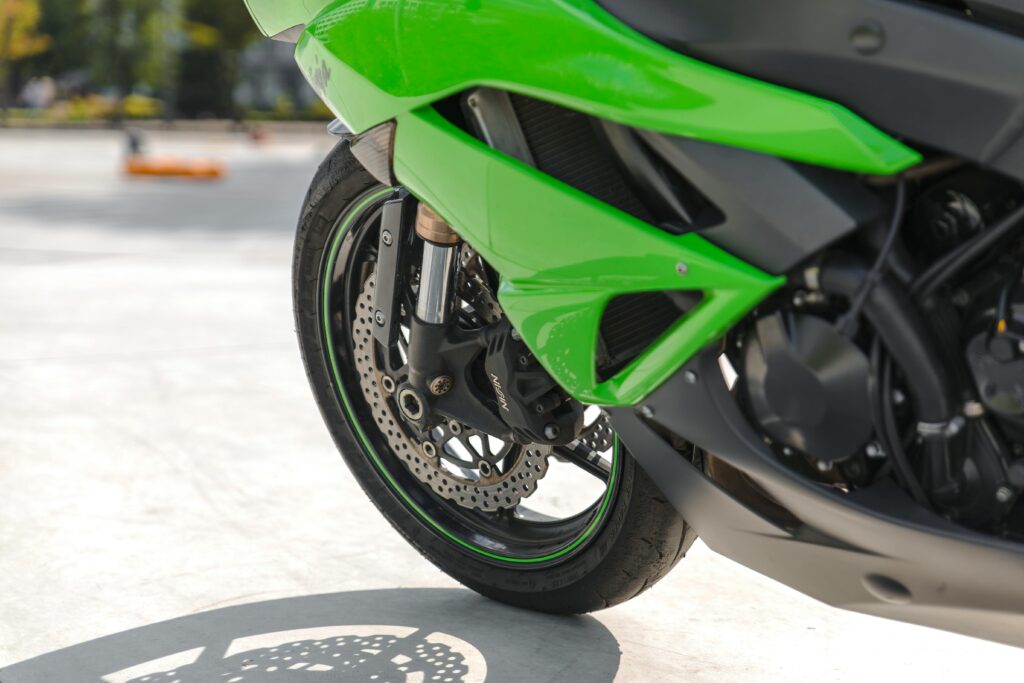
Toronto’s riding season is brief but glorious—typically running from April through October, with peak conditions during the summer months. During these precious months, your motorbike faces relentless exposure to road salt, UV rays, moisture, and environmental contaminants. Proper motorbike detailing Toronto isn’t just about aesthetics; it’s about preserving your investment and ensuring your bike performs at its peak.
Whether you’re commuting downtown or tackling the scenic routes around the Niagara Escarpment, your motorcycle deserves professional-grade care. In this comprehensive guide, we’ll walk you through everything you need to know about detailing and protecting your bike for Toronto’s unique riding conditions.
Table of Contents
Quick Summary: Motorbike Detailing Essentials
- Professional detailing extends your bike’s lifespan by 25-40% compared to neglected bikes
- Toronto’s salt air and UV exposure accelerate oxidation and corrosion without proper protection
- Ceramic coatings provide 2-5 years of protection versus 3-6 months for traditional wax
- Complete detailing includes washing, decontamination, paint correction, and protective coating
- Monthly touch-ups between professional detailings maintain coating effectiveness
Why Motorbike Detailing Matters in Toronto
Toronto’s geographical location presents unique challenges for motorcycle owners. The Greater Toronto Area sits in a corridor that experiences extreme seasonal variations, with winter road salt application creating an aggressive environment for metal components and clear coats.
A study by the Motorcycle Industry Council found that improperly maintained motorcycles experience a depreciation rate 35% higher than well-maintained bikes. In the GTA, where winter storage is common and riding season is compressed, this factor becomes even more critical.
The Toronto region experiences approximately 1,800 hours of direct sunlight annually, with UV rays causing up to 60% of paint fading in unprotected vehicles. Combined with the humidity from Lake Ontario and variable temperatures, your motorbike is under constant environmental assault.
The Real Cost of Neglect
Consider the financial impact: a neglected bike might experience $2,500-$4,000 in corrective restoration work by mid-season, versus $800-$1,200 for professional motorbike detailing Toronto performed at the start of riding season. The math is clear—prevention is significantly less expensive than remediation.
“Your motorcycle is constantly exposed to invisible threats: salt residue, UV damage, industrial fallout, and oxidation. Professional detailing doesn’t just make your bike look exceptional—it creates a protective barrier that prevents months of expensive damage in just a few hours.”
Pre-Detailing Inspection & Assessment
Before applying any treatments or coatings, a thorough inspection reveals the true condition of your bike’s surfaces. This step determines which treatments your motorcycle actually needs, preventing unnecessary expenses.
What Professional Inspectors Evaluate
- Clear coat thickness: Using specialized gauges to measure existing protective layers
- Swirl marks and micro-scratches: Identifying damage from improper washing and previous maintenance
- Oxidation and fading: Assessing UV damage and environmental contamination
- Corrosion and rust: Detecting early-stage corrosion on chrome, aluminum, and steel components
- Surface contamination: Identifying embedded contaminants like rail dust, brake dust, and overspray
- Protective coating condition: Evaluating any existing wax or sealant performance
- Mechanical components: Assessing chains, cables, and exposed hardware condition
The Inspection Report
A comprehensive inspection report should detail findings in specific zones of your bike: fuel tank, fairing panels, wheels, exhaust pipes, windscreen, mirrors, and undercarriage components. Professionals assign condition ratings (excellent, good, fair, poor) to each area, allowing you to prioritize restoration work based on visibility and usage.
The Complete Washing Process
Improper washing causes approximately 40% of visible swirl marks and micro-scratches on motorcycle paint. The process matters far more than the products used—technique is everything.
The Two-Bucket Washing Method
The foundation of any professional washing process is the two-bucket system. One bucket contains your wash solution; the second contains only clean rinse water. This prevents redistributing contaminated water across your bike’s surfaces.
- Pre-rinse: Use flowing water from a hose (never a pressure washer directly on paint) to remove loose contaminants. Start from the top and work downward, allowing gravity to assist.
- Prepare wash buckets: Fill one bucket with motorcycle-specific wash solution diluted per manufacturer instructions. Add clean water to the second bucket. Use grit guards in both buckets to settle debris.
- Wash panels systematically: Starting from the roof-line (assuming your bike is stored upright), work systematically downward. Wash one panel at a time using straight-line motions rather than circular movements.
- Rinse frequently: After washing each section, rinse your wash mitt in the clean water bucket, then continue with the next panel. Replace the clean water if it becomes visibly soiled.
- Final rinse: Use flowing water for a complete final rinse, ensuring no soap residue remains. Pay special attention to crevices, seams, and undercarriage areas where water can pool.
- Dry immediately: Use microfiber drying towels to prevent water spots. Move quickly to prevent evaporation marks from forming.
Specialized Cleaning for Components
Chrome and Polished Aluminum: These materials require dedicated chrome cleaner before the main wash. Apply chrome cleaner to a microfiber cloth and buff in the direction of grain or finish lines. Never use abrasive materials that scratch the polished surface.
Rubber and Plastic Trim: Use a soft-bristled brush with your wash solution to gently clean rubber trim, seals, and plastic windscreens. Avoid harsh chemicals that crack or fade plastic components over time.
Wheels and Tires: These deserve separate attention. Use a dedicated wheel brush and stronger degreaser on brake dust and road grime. Your tire sidewalls protect the wheel’s structural integrity, so clean them gently with a soft brush.
Chain and Sprockets: Clean with a chain-specific degreaser and stiff brush. This removes salt and corrosion before applying protective chain lube. A clean, protected chain extends lifespan by 30-50% compared to neglected chains.
Paint Correction & Restoration
Paint correction removes oxidation, swirl marks, and light scratches—restoring your bike’s original finish before applying protective coatings. This step separates professional detailing from basic washing.
Understanding Paint Damage
| Damage Type | Cause | Correction Method | Severity |
|---|---|---|---|
| Swirl marks | Improper washing or drying | Light polishing compound | Minor |
| Oxidation | UV exposure and moisture | Medium-cut polish or compounding | Moderate |
| Water etching | Hard water deposits | Specialized etch remover | Moderate |
| Light scratches | Road debris or careless handling | Fine polishing compound | Minor to Moderate |
| Deep scratches | Impact damage reaching clear coat | Professional touch-up or repainting | Major |
| Corrosion | Salt exposure and moisture | Rust converter and protective coating | Major |
Paint Correction Techniques
Machine Polishing: Professional detailers use dual-action or rotary polishers with specialized pads and compounds to remove oxidation and light scratches. This is dramatically more effective than hand polishing and takes 60% less time. Toronto’s humid climate makes oxidation particularly aggressive, making machine polishing essential for most local bikes.
Compounding: For severe oxidation or stubborn defects, compounding removes a thin layer of clear coat to expose fresh, unoxidized material beneath. This is followed by progressive polishing with finer compounds to restore gloss.
Wet Sanding: When scratches penetrate into the clear coat but don’t reach base paint, wet sanding with ultra-fine grit papers (2000-3000 grit) smooths the surface before polishing. This technique requires professional skill to avoid damaging surrounding areas.
After paint correction, your bike’s finish should exhibit deep gloss, rich color saturation, and reflective clarity. This pristine surface is now ready for protective coating application.
Applying Professional Protection Coatings
This is where motorbike detailing Toronto transitions from restoration to long-term preservation. Protection coatings create a durable barrier against environmental contamination, extending the lifespan of your paint correction work by years.
Ceramic Coating vs. Graphene Coating vs. Traditional Wax
| Product Type | Durability | Protection Level | Cost | Best For |
|---|---|---|---|---|
| Traditional Wax | 3-6 months | Good | Low | Budget-conscious riders |
| Polymer Sealant | 6-12 months | Very Good | Moderate | Regular maintenance |
| Ceramic Coating | 2-5 years | Excellent | High | Premium protection |
| Graphene Coating | 5-10 years | Superior | Premium | Maximum durability |
Why Ceramic Coating Dominates Toronto
Ceramic coatings form a semi-permanent molecular bond with your bike’s clear coat. Unlike wax, which sits on the surface and gradually wears away through washing and environmental exposure, ceramic coatings become part of the paint structure.
For Toronto riders, ceramic provides critical advantages. The coating is hydrophobic—water beads and rolls off rather than pooling, which prevents salt water from settling on surfaces. It’s also oleophobic, meaning oils and contaminants don’t stick readily, making monthly maintenance washing far easier.
A quality ceramic coating reduces water spotting by 90% compared to unprotected paint. This matters immensely in the GTA, where summer thunderstorms leave mineral deposits and humidity constantly challenges your bike’s finish.
Graphene Coating: The Next Generation
Graphene represents the cutting edge of protective coatings. By incorporating single-layer carbon sheets into the protective matrix, graphene coatings offer enhanced durability, superior heat resistance, and increased hardness (rated 8-9H on the Mohs hardness scale versus ceramic’s 7-8H).
For motorcycle owners, graphene provides 40-80% longer durability than ceramic—potentially protecting your bike for 7-10 years with proper maintenance. While the initial investment is higher, the cost-per-year of protection is lower than ceramic when calculated over a typical ownership period.
Application Process for Professional Coatings
Professional ceramic or graphene application follows strict protocols. The surface must be absolutely clean and contamination-free. Technicians use ISO-certified cleanrooms or climate-controlled bays to apply coatings, as dust contamination during application creates permanent defects.
Application involves carefully spreading the coating product in overlapping sections, allowing proper curing time between layers (typically 24-48 hours), and multiple layers for durability. Professional-grade products contain higher SiO2 concentrations (ceramic) or graphene content than consumer-level products, delivering superior protection.
After application, your bike requires a curing period—typically 7 days before washing, 2 weeks before highway riding, and 30 days before water exposure for maximum hardness development.
Detailed Care for Every Component
Premium motorbike detailing Toronto extends beyond paint to every visible component. Each area requires specific techniques and products to preserve appearance and function.
Chrome and Polished Metal
Chrome and polished aluminum components are susceptible to corrosion, particularly in the salt-laden air of the Greater Toronto Area. Professional detailing includes specialized chrome treatment and protective coating.
The process begins with chrome cleaner that removes tarnish without scratching. Microfiber cloths with the grain direction prevent swirl marks. After cleaning, a chrome sealant creates a hydrophobic barrier that prevents water spotting and oxidation.
For severely oxidized chrome (appearing dull gray rather than reflective), professional polishing compounds may be necessary. This requires careful technique to avoid scratching the relatively thin chrome plating.
Rubber Trim and Seals
Rubber deteriorates from UV exposure, ozone, and oxidation. The rubber trim around your windscreen, door seals, and gaskets should be treated with UV-protective rubber conditioner monthly.
This isn’t just cosmetic—UV degradation causes rubber to crack and harden, compromising seals that protect internal mechanisms from water infiltration. Proper conditioning maintains flexibility and extends seal lifespan by 40-60%.
Windscreen and Transparent Plastics
Transparent plastics scratch easily and become brittle over time. Professional detailing uses ultra-soft microfiber and specialized plastic-safe cleaners.
Anti-scratch protective coatings for windscreens reduce fogging and protect against scratching. These specialized products maintain optical clarity while creating a hydrophobic surface that improves visibility in rain.
Chain Maintenance
Your chain isn’t part of traditional detailing, but professional detailers address it as part of comprehensive care. Saltwater penetration causes rapid corrosion of chain links and sprockets—one of the most common failure points for motorcycles in coastal climates.
Professional chain cleaning removes accumulated salt and grime. Specialized chain lube then provides protection against corrosion while maintaining flexibility. A protected chain requires less frequent replacement, saving $300-$600 over a bike’s lifespan.
Seasonal Maintenance Schedule
Your motorbike detailing work doesn’t end after the initial professional service. Seasonal maintenance schedules preserve your investment and maintain protective coating performance.
Pre-Season Detailing (April)
Before bringing your bike out of winter storage, a comprehensive detailing removes dust, stale residue, and any corrosion that developed during dormancy. This includes:
- Full wash with decontamination clay bar treatment
- Inspection of all seals and weatherstripping
- Ceramic or protective coating refresh (every 12 months)
- Chrome and metal polishing and sealing
- Chain cleaning and lubrication
- Tire conditioning and protection
Mid-Season Maintenance (July)
During peak riding season, your bike accumulates contaminants rapidly. Monthly washing maintains coating effectiveness and prevents buildup from bonding permanently to surfaces. Every 2-3 months, use clay bar decontamination to remove embedded particles.
At mid-season, schedule a professional inspection to assess wear patterns, coating degradation, and any developing issues requiring attention before fall.
Post-Season Detailing (October)
Before winter storage, thorough detailing prepares your bike for dormancy. The process includes:
- Complete wash and decontamination
- Paint correction as needed
- Ceramic coating application (if not done at pre-season)
- Fuel system additive to prevent varnish buildup
- Tire dressing with UV protection
- Chain lubrication for storage period
- Protective covering application (high-quality breathable covers only)
Monthly Maintenance Protocol
Between professional detailings, maintain your bike with monthly care:
- Week 1: Gentle hand wash using two-bucket method, dry immediately
- Week 2: Inspect paint for water spots or contamination, light detailing spray and wipe
- Week 3: Chain cleaning and lubrication
- Week 4: Tire and rubber treatment with protective products
This schedule takes 30-45 minutes monthly but prevents the need for expensive corrective work at season’s end.
Frequently Asked Questions
How often should I detail my motorbike during Toronto’s riding season?
Professional detailing once at season start (spring) and once before storage (fall) is recommended, with monthly maintenance washes between professional appointments. If you ride frequently in harsh conditions or park outdoors, quarterly professional detailing maintains protective coatings more effectively.
Can I detail my motorcycle myself, or is professional detailing necessary?
Basic washing you can handle yourself using proper two-bucket technique and motorcycle-specific products. However, paint correction, ceramic coating application, and detailed chrome restoration require specialized equipment, expertise, and professional-grade products that deliver significantly better results than DIY approaches.
Is ceramic coating worth the investment for a motorcycle in Toronto?
Yes. Toronto’s salt air and humidity accelerate oxidation significantly. A ceramic coating ($400-$800) protecting your bike for 2-5 years is far more cost-effective than addressing oxidation damage ($1,500-$3,000) at season’s end. The coating also reduces monthly maintenance effort by 40%.
What’s the difference between ceramic coating and graphene coating for motorcycles?
Graphene coatings last 5-10 years versus ceramic’s 2-5 years, offering 40% greater durability and heat resistance. Graphene costs more initially but provides superior protection and extends coating lifespan by several years. For Toronto riders planning to keep their bikes long-term, graphene represents better value.
Protecting Your Investment Year-Round
Professional motorbike detailing Toronto is an investment in your bike’s longevity, appearance, and resale value. Toronto’s challenging climate—with road salt, humidity, UV exposure, and temperature fluctuations—demands protective measures that casual ownership neglects.
By following a comprehensive detailing and maintenance schedule, using protective coatings, and addressing seasonal needs, you’ll extend your bike’s lifespan by years while maintaining showroom appearance throughout riding season.
Whether you’re protecting a new investment or restoring a cherished classic, professional detailing combined with disciplined maintenance creates the ideal foundation for motorcycle ownership in the Greater Toronto Area.
The question isn’t whether you can afford professional detailing—it’s whether you can afford not to. In Toronto’s climate, proper protection and maintenance preserve your investment. Neglect, by contrast, guarantees expensive damage that could have been prevented with minimal effort.
Nascar Auto Care
Professional service available 24/7. Fast response, licensed technicians.

- How To Detail and Protect Your Boat Before and After Ontario’s Summer Season
- How To Detail Your Motorbike Like a Professional
- A Beginner’s Guide to Auto Detailing in the Greater Toronto Area
- A Seasonal Guide to Car Detailing in Toronto’s Harsh Climate
- Luxury Auto Detailing in North York: Why High-Rise Parking Garages Here Create Unique Contamination Problems
This article was drafted with AI assistance to ensure factual accuracy.