You’ve invested in professional ceramic coating application for your vehicle—a smart decision that can protect your paint for years to come. But here’s what many Toronto car owners don’t realize: the work doesn’t end when the technician finishes. Your maintenance routine in the weeks and months following application directly determines whether your coating delivers the promised protection and gloss.
At Nascar Auto Care, we’ve applied ceramic coatings to hundreds of luxury vehicles across the Greater Toronto Area, and we’ve learned exactly what separates vehicles with pristine, long-lasting protection from those where the coating’s performance degrades prematurely. The difference? A proper ceramic coating maintenance routine.
In this guide, we’ll walk you through everything you need to know about ceramic coating care after professional installation—from the critical curing period to daily washing techniques, protective measures, and common mistakes that could compromise your investment.
- The first 7 days after ceramic coating application are critical—avoid washing and water exposure
- Use pH-neutral shampoos and the two-bucket wash method to prevent coating damage
- Professional maintenance washes every 3-6 months extend coating lifespan by 30-50%
- Toronto’s salt and winter conditions require extra protective measures
- Proper maintenance can extend ceramic coating protection from 2-5 years to 5-10+ years
Table of Contents
The Critical Curing Period: First 7 Days
The moment your ceramic coating is applied, a chemical process begins that will determine its durability for years to come. The first 7 days after application are absolutely critical—this is when the coating is curing and bonding to your paint.
During this window, the coating is vulnerable. While it may feel hard to the touch within 24 hours, the full chemical curing process takes a full week to complete. Exposing your vehicle to water, moisture, or harsh conditions during this time can create micro-imperfections in the coating’s surface that will compound over time.
What You Must Avoid During the First Week
- Water washing: Do not wash your vehicle for at least 7 days. This includes rain, sprinklers, car washes, and hand washing
- Moisture exposure: Avoid parking under trees where dew collects or in areas prone to humidity buildup
- Harsh weather: Protect your vehicle from heavy rain, snow, or salt spray during the curing period
- Driving in wet conditions: If possible, minimize highway driving in rain or wet conditions
- Covered storage with condensation: If storing indoors, ensure the space is well-ventilated to prevent moisture buildup
The Safe Approach During Curing
Park your vehicle in a garage or covered area with good air circulation. If garage storage isn’t available, use a breathable car cover that allows moisture to escape while protecting from rain and debris.
Some coating manufacturers recommend an even longer initial care period. Premium brands like those we apply at Nascar Auto Care may recommend 14 days of limited exposure for optimal results. Always follow the specific instructions provided by your detailing professional.
Proper Washing Technique for Ceramic Coated Vehicles
Once the curing period is complete, washing becomes your primary defense against contaminants that can damage the coating. However, standard washing techniques can actually harm ceramic coatings if not done correctly.
Ceramic coatings are hydrophobic, not impervious to damage. While they’re far more durable than unprotected paint, improper washing can create swirl marks, water spots, and micro-scratches that compromise the coating’s clarity and protective properties.
The Two-Bucket Wash Method
This is the gold standard for ceramic coated vehicles, and it’s worth mastering:
- Fill two buckets: One with your pH-neutral shampoo solution, one with clean rinse water
- Rinse the vehicle first: Use a hose to remove loose dirt and debris before touching the paint
- Wash from top to bottom: Starting at the roof, work your way down in horizontal sections
- Use a soft wash mitt: Microfiber or lambswool mitts are ideal for coated vehicles
- Rinse the mitt between sections: Dip your mitt in the clean bucket, then reload with soapy water from the first bucket
- Final rinse: Thoroughly rinse the entire vehicle with clean water
- Dry immediately: Don’t allow water to air-dry on the coating
Choosing the Right Shampoo
This is where many Toronto vehicle owners make their first mistake. Standard car shampoos often contain waxes, silicones, or harsh surfactants that can build up on ceramic coatings or strip away their hydrophobic properties.
Always use a pH-neutral shampoo specifically formulated for ceramic-coated vehicles. These products are designed to clean effectively without disrupting the coating’s chemistry. Look for shampoos with a pH between 6.5 and 8.0.
Products specifically labeled for ceramic coating maintenance are ideal, but any high-quality, pH-neutral car shampoo will work. Avoid dish soap, all-purpose cleaners, or budget shampoos that often contain harsh chemicals.
Frequency of Washing
In the Greater Toronto Area, we recommend washing your ceramic-coated vehicle every 2-4 weeks under normal conditions. During winter months or after exposure to road salt, increase frequency to every 10-14 days.
| Condition | Recommended Wash Frequency | Rationale |
|---|---|---|
| Normal summer driving (GTA) | Every 3-4 weeks | Standard dust and pollen accumulation |
| Winter driving with road salt | Every 10-14 days | Salt corrodes coating; frequent washing prevents damage |
| After highway driving | Wash immediately | Bug residue and tar are acidic; prompt removal prevents etching |
| After rain exposure | Within 24-48 hours | Rainwater minerals and dust settle on coating |
| Garage-parked vehicle | Every 4-6 weeks | Minimal exposure to elements; less frequent washing needed |
Drying Methods and Paint Protection
How you dry your vehicle after washing is just as important as how you wash it. Water left on a ceramic coating will eventually evaporate, but not before leaving mineral deposits and water spots that compromise the coating’s clarity and appearance.
Proper Drying Techniques
Use high-quality microfiber towels designed for automotive use. Cotton towels or paper towels can trap particles that scratch the coating when rubbed across the paint.
- Start from the top: Begin with the roof and work your way down, following the contours of the vehicle
- Use multiple towels: Don’t wring out a single towel; use fresh, clean towels to minimize water transfer
- Gentle pressure: Let the towel absorb water rather than scrubbing the paint
- Pay attention to crevices: Door jambs, trim lines, and gaps between panels trap water and require extra attention
- Consider a leaf blower: A soft car dryer or electric leaf blower on low speed can remove water from hard-to-reach areas without touching the paint
When to Seek Professional Help
If water spots have already formed, resist the urge to use aggressive removal methods. Professional detailers have access to specialized spot removal solutions and techniques that won’t damage your coating.
At Nascar Auto Care, we recommend professional maintenance washes every 3-6 months. These services go beyond regular washing to include coating-safe spot removal, contamination decontamination, and hydrophobic enhancement that keeps your coating performing at peak levels.
Ceramic Coating Maintenance Schedule
Think of ceramic coating maintenance like car insurance—consistent, preventative care costs far less than emergency repairs. A well-maintained ceramic coating can last 5-10+ years, while neglected coatings degrade to 2-3 years of protection.
Weekly Maintenance (DIY)
- Visual inspection for bird droppings, tree sap, or other contaminants
- Spot cleaning of any obvious soiling
- Park in shade when possible to minimize UV exposure
Monthly Maintenance (DIY)
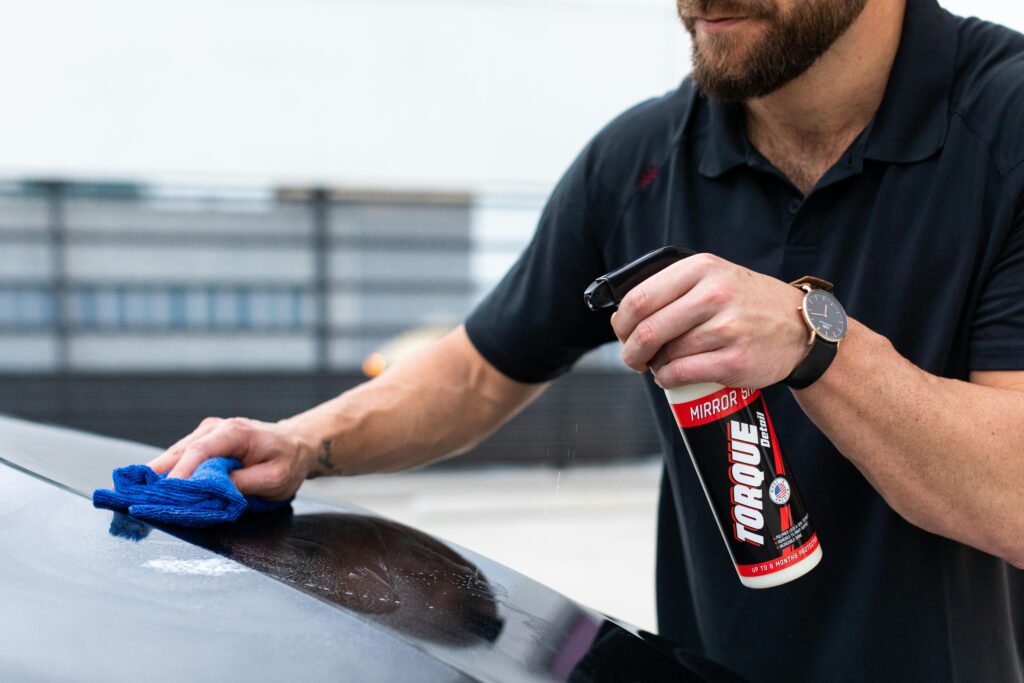
- Thorough wash using the two-bucket method with pH-neutral shampoo
- Complete drying with microfiber towels
- Inspection of coating performance (water beading should still be evident)
Quarterly Maintenance (Professional)
Every 3 months, schedule a professional maintenance detailing appointment with Nascar Auto Care. This includes:
- Professional-grade wash with specialized products
- Decontamination to remove embedded particles
- Water spot and mineral deposit removal
- Hydrophobic enhancement to restore maximum water beading
- Protective sealant layer application
Semi-Annual Inspection
Every 6 months, have a professional assess your coating’s condition. We’ll check water beading performance, look for any areas where the coating may be wearing, and recommend touch-up applications if needed.
Special Considerations for Toronto’s Climate
Toronto’s winters present unique challenges for ceramic-coated vehicles. Road salt, freeze-thaw cycles, and heavy snow create an aggressive environment that requires extra protective measures.
Winter-Specific Maintenance
Road salt is the ceramic coating’s greatest enemy in winter. Salt is corrosive and can penetrate even the toughest coating if left to sit. The key is rapid removal.
- Increase washing frequency: Wash every 10-14 days during winter, not every 3-4 weeks
- Wash undercarriage: Don’t just wash the visible panels—use an undercarriage rinse to remove salt from wheel wells and under the vehicle
- Dry immediately: After winter washing, dry thoroughly to prevent salt residue from reacting with moisture
- Park in garage when possible: Even salt-resistant ceramic coatings benefit from shelter during harsh winter weather
- Use protective wax or sealant: Add an extra layer of protection with a winter-specific coating enhancement every 4-6 weeks
Spring Decontamination
As winter transitions to spring, your coating may have accumulated salt, sand, and other contaminants. Schedule a professional decontamination service in early April to remove everything the winter couldn’t.
This process involves clay bar treatment (safe for ceramic coatings when done correctly) or other decontamination methods that remove bonded particles without damaging the coating. Follow up with a fresh protective layer application to restore maximum water repellency.
Protecting Your Coating Year-Round
Consider investing in premium ceramic or graphene coating products specifically designed for extreme climates. Graphene-enhanced coatings offer superior protection in harsh conditions and can last 7-10 years with proper maintenance.
Common Maintenance Mistakes to Avoid
We’ve seen hundreds of vehicles with compromised ceramic coatings—and most of the damage comes from preventable mistakes. Here are the errors we see most frequently:
Mistake #1: Using the Wrong Cleaning Products
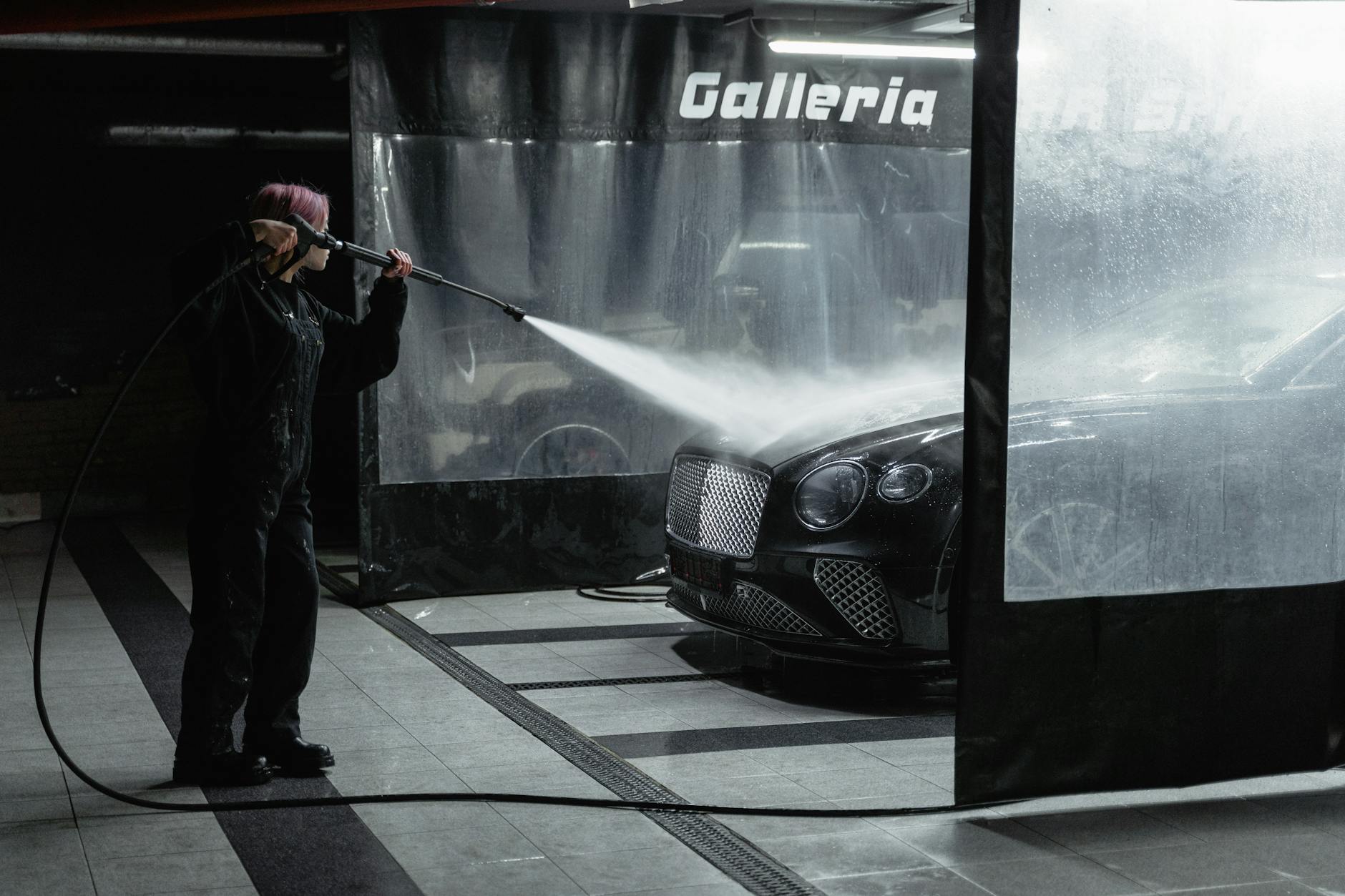
Automatic car washes, pressure washers, and harsh detergents are the leading cause of ceramic coating damage we see in our shop. Automatic brushes create visible swirl marks, high-pressure washers can force water past the coating seams, and harsh detergents strip away the hydrophobic properties you paid for.
Stick with hand washing using pH-neutral shampoo, or use touchless automatic washes designed for coated vehicles. Never exceed 1500 PSI if using pressure washing equipment.
Mistake #2: Neglecting the Curing Period
Impatience during the first week after application causes permanent coating defects. We’ve had customers who washed their vehicles after just 3 days and compromised the entire coating application.
The curing period is non-negotiable. Mark your calendar and wait the full 7 days (or longer, depending on your coating manufacturer’s recommendations).
Mistake #3: Ignoring Water Spots
Water spots might seem cosmetic, but they’re actually mineral deposits bonded to your coating. Left untreated, they become increasingly difficult to remove and can eventually cause etching that compromises the coating’s protective qualities.
Address water spots within 24-48 hours of washing using appropriate spot removal products or professional services.
Mistake #4: Skipping Professional Maintenance
We understand the appeal of DIY everything—it saves money in the short term. But professional maintenance is not an optional luxury; it’s essential maintenance like oil changes for your engine.
Professional detailers have access to products and equipment that restore your coating’s performance in ways hand washing cannot. Skipping professional service reduces your coating’s lifespan by years.
Mistake #5: Parking Under Trees and Near Contaminant Sources
Bird droppings, tree sap, and pollen are acidic. While ceramic coatings are more resistant than bare paint, they’re not immune to these substances. Always remove bird droppings and tree sap within 24 hours—they become increasingly difficult to remove the longer they sit.
When possible, park away from trees and in covered areas. If that’s not an option, invest in a quality car cover that allows moisture to escape.
Frequently Asked Questions
How can I tell if my ceramic coating is failing or wearing out?
The most obvious sign is loss of water beading—your coating should cause water to bead up dramatically and roll off the paint. If water is spreading out in sheets or pooling, your coating’s hydrophobic properties are diminishing. Additional signs include reduced gloss, visible swirl marks that weren’t there before, or water spotting that accumulates more quickly than it used to. Professional inspections can assess coating thickness and recommend reapplication if necessary.
Can I apply a ceramic coating booster or top coat over my existing coating?
Yes, and we often recommend it. Ceramic coating boosters or maintenance coatings can be applied every 3-6 months to restore hydrophobic properties and add an extra protective layer. These are different from the original coating application—they’re less durable but easier to apply and can significantly extend your coating’s lifespan. Always use products designed specifically for ceramic coating enhancement.
What should I do if I get tree sap or bird droppings on my ceramic-coated vehicle?
Remove these contaminants within 24 hours. For bird droppings, rinse first with water, then use a degreaser or bird dropping removal product following product instructions. For tree sap, use a dedicated tar and sap remover—never scratch or pick at it with your nails. After removal, wash the area thoroughly with pH-neutral shampoo. The longer these substances sit, the more they etch into the coating and become permanent.
Is professional ceramic coating maintenance worth the cost compared to DIY washing?
Absolutely. Professional maintenance every 3-6 months costs $150-300 per appointment but extends your coating’s lifespan by 2-3 years and keeps it performing optimally. DIY maintenance cannot remove all contaminants, restore hydrophobic properties, or address water spotting as effectively. When you do the math—a 5-year coating with maintenance costs versus a 2-year coating without—professional service pays for itself multiple times over.
Final Thoughts on Ceramic Coating Care
Your ceramic coating is an investment in your vehicle’s appearance and protection. But ceramic coating maintenance in Toronto requires consistency, the right products, and professional support. The good news? Following the practices outlined in this guide will keep your coating looking and performing like the day it was applied.
Remember: the first 7 days are critical, proper washing technique prevents swirl marks, professional maintenance extends lifespan by years, and Toronto’s winter conditions demand extra attention. These fundamentals, applied consistently, will maximize your return on the professional detailing investment you’ve made.
“The difference between a ceramic coating that lasts 3 years and one that lasts 10 years isn’t the coating itself—it’s the maintenance routine applied after installation.” — Nascar Auto Care detailing specialists
When you’re ready to schedule your first professional maintenance service or need advice on your specific coating situation, our team at Nascar Auto Care is here to help. We’ve protected hundreds of luxury vehicles across the Greater Toronto Area, and we’re passionate about helping our clients get the maximum lifespan and performance from their ceramic coatings.
Nascar Auto Care
Professional service available 24/7. Fast response, licensed technicians.

- Ceramic Coating vs Graphene Coating vs Paint Protection Film: Which One Survives Toronto Road Salt Seasons
- The Ultimate Guide to Ceramic Coating in Toronto
- Ceramic Coating Durability Tested Across 143 GTA Vehicles — Here’s What Held After 18 Months of Ontario Winter
- Ceramic Coating Cost in Toronto — Real Numbers Broken Down by Vehicle Size and Condition
- How To Choose Between Ceramic Coating and Graphene Coating for Your Car
This article was drafted with AI assistance to ensure factual accuracy.