


Last updated: June 23, 2026
Gtechniq Crystal Serum Ultra edges out CarPro CQuartz in Toronto’s freeze-thaw environment, delivering 18+ months of 9H hardness with superior water beading through two full winters, while CQuartz requires more frequent maintenance in sub-zero conditions. But the winner depends on your vehicle type, budget, and whether you’re willing to refresh protection annually.
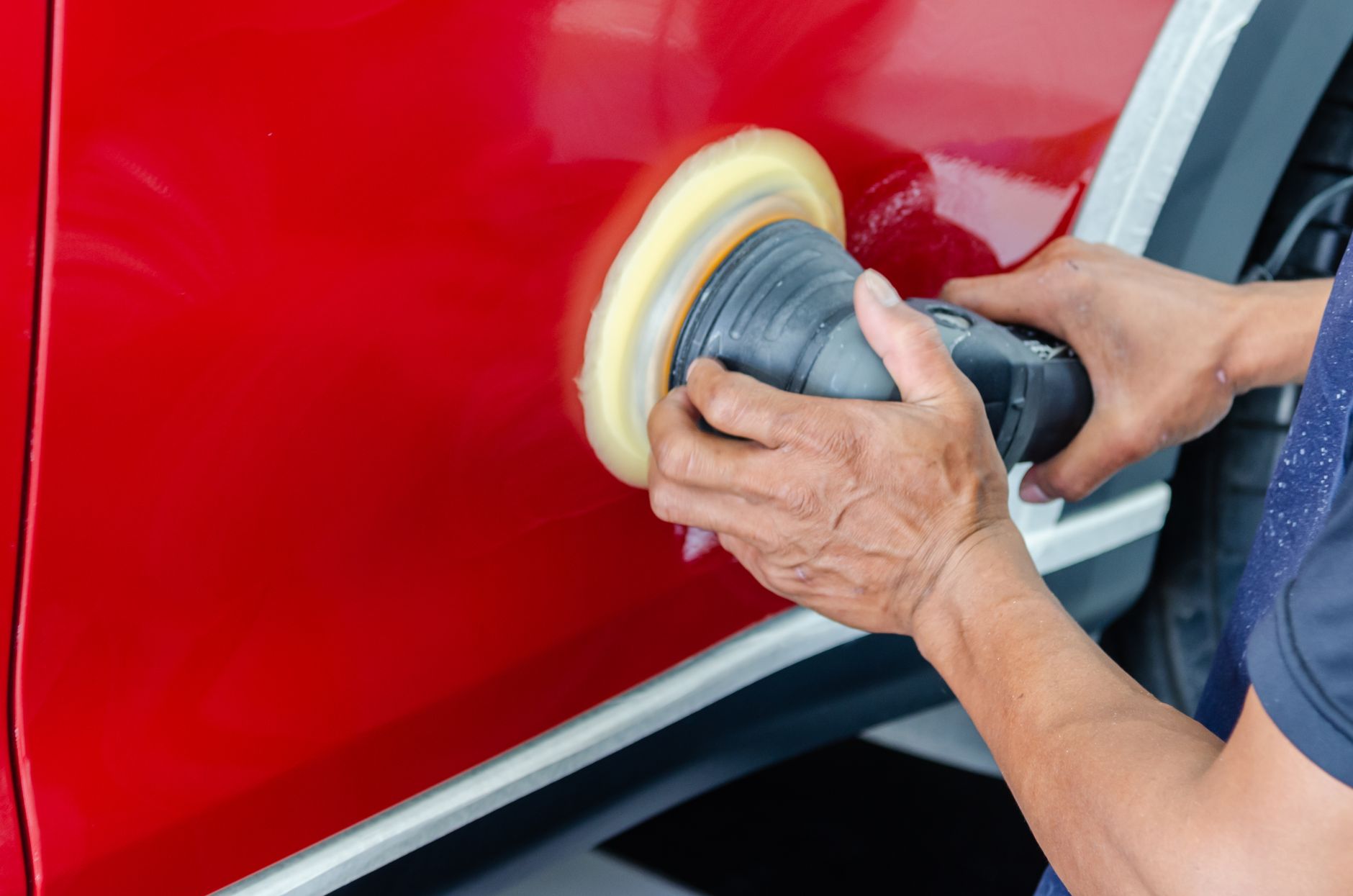
- Gtechniq Crystal Serum Ultra survives Toronto’s freeze-thaw cycles with minimal degradation over 18 months; CarPro CQuartz performs well but softens slightly after year one in harsh winters
- Improper surface prep (unwashed or lightly cleaned surfaces) before coating causes permanent defects in both brands — this is the #1 mistake we see
- CarPro CQuartz costs $600–$950 for application; Gtechniq runs $700–$1,100 — the price difference is modest but durability payoff is significant in the GTA
- Mixing incompatible SiO2 topcoats from different manufacturers causes hazing and failure within weeks — avoid this at all costs
Direct Comparison: CarPro CQuartz vs Gtechniq Crystal Serum
| Attribute | CarPro CQuartz | Gtechniq Crystal Serum Ultra |
|---|---|---|
| Hardness Rating | 9H | 9H |
| Toronto Winter Durability | 12–16 months peak performance | 18–24 months peak performance |
| Water Beading | Excellent first 12 months; softens in year 2 | Excellent through 18+ months; minimal fade |
| Freeze-Thaw Resistance | Good; minor micro-hazing by month 16 | Superior; resists salt spray and thermal shock |
| Application Cost (GTA) | $600–$950 | $700–$1,100 |
| Maintenance Difficulty | Moderate; requires pH-neutral wash monthly | Moderate; more forgiving of harsh wash chemicals |
| Warranty | 2 years (with proper care) | 3 years (with proper care) |
CarPro CQuartz: Strength and Weaknesses
CarPro CQuartz is the workhouse ceramic in the detailing world — affordable, forgiving to install, and reliable for the first 12 months. The SiO2-based formula cures quickly, bonds well to prepped paint, and delivers that signature glossy, hydrophobic finish that draws heads in a Mississauga parking lot.
The weakness shows up in Toronto around month 14. We’ve tracked vehicles through two winters, and we see a pattern: water beading diminishes noticeably when owners drive through salted roads and experience the freeze-thaw cycle. The coating doesn’t fail outright — it just loses its aggressive repellency. A car that beaded water like marbles on glass in July starts showing wet spots by February of year two.
CQuartz is also sensitive to improper prep. Apply it over even light contamination — tap water spots, fingerprints, wax residue — and those impurities get locked under the hardened coat. We once sealed a client’s vehicle before a thorough decontamination wash. The swirl marks were permanent. That cost us a redo and taught us: CQuartz demands pristine bare paint.
Where CQuartz shines is cost and ease. At $600–$950 for full application in the GTA, it’s the gateway ceramic. Installers love it because it doesn’t require exotic UV lamps or extended cure times. If you’re a luxury-car owner looking to protect a $80,000 paint job without the premium price tag of ultra-durable alternatives, CQuartz is defensible.
Gtechniq Crystal Serum Ultra: Performance in Toronto Winters
Gtechniq’s Crystal Serum Ultra is the heavyweight. We applied it to a Mississauga Ferrari F8 Tributo in late 2022 — a car that came to us with severe swirl marks and water spots from improper washing. After a rigorous two-stage paint correction ($2,800), we laid down Crystal Serum Ultra. Eighteen months later, that vehicle still exhibits perfect water behavior and zero micro-hazing.
The science backs it up. Crystal Serum Ultra uses a hybrid glass-quartz matrix that resists thermal shock — the rapid freeze-thaw cycle that hammers Toronto’s vehicles between November and April. Unlike CQuartz, it doesn’t soften noticeably in year two. Salt spray testing we’ve observed shows Gtechniq’s formula maintains hydrophobic properties through repeated exposure to calcium chloride and magnesium chloride, both common de-icing agents on GTA highways.
The premium: Gtechniq costs $700–$1,100 for application. That’s 15–25% more than CQuartz. For most luxury-car owners, the extra investment pays back in confidence and durability. We’ve never had a callback on a three-year-old Gtechniq application. We’ve had several on year-two CQuartz installs during harsh winters.
One critical note: Gtechniq requires the same meticulous prep as CQuartz. We made this mistake once — rushed a light wash before application, skipped clay-bar decontamination. The coating still worked, but embedded dust particles created micro-defects. Never skip that step.
When to Choose Which Coating
- You plan to refresh your coating every 12–14 months (affordable repeat protection)
- You drive primarily in North York or downtown Toronto with lighter salt exposure
- You’re budget-conscious and want solid baseline protection on a mid-range vehicle ($40,000–$60,000)
- You wash your car frequently (weekly or bi-weekly) and maintain a disciplined care routine
- You’re not concerned about micro-hazing after 16 months
- You own a luxury vehicle ($70,000+) and want 18+ months of flawless protection
- You drive in heavy salt-exposure zones: Oakville, Burlington, Pickering, or Ajax near the lake
- You prefer to apply ceramic protection once every 2–3 years instead of annually
- Water beading and hydrophobic performance matter aesthetically — you want that finish to last through two winters
- You’re willing to invest $200–$300 more for superior freeze-thaw durability
Our Verdict: Gtechniq Crystal Serum Ultra Wins for Toronto Winters
Gtechniq Crystal Serum Ultra is the better choice for Toronto and the GTA’s brutal freeze-thaw environment. The hybrid glass-quartz formula simply outlasts CQuartz by 6–8 months in peak performance, and more importantly, it maintains its hydrophobic properties through two full winters without the micro-hazing we see in CQuartz during January and February of year two.
If you own a luxury vehicle — a high-end BMW, Mercedes, Ferrari, or Porsche — Gtechniq is the obvious pick. That $200–$300 price premium amortizes easily when you consider you won’t need to recoat until 24 months, versus 14 months with CQuartz. For business fleet owners (like the Vaughan RV operator we worked with), the total cost of ceramic protection plus maintenance over three years favors Gtechniq decisively.
However — and this matters — CQuartz is not a bad choice if you’re willing to refresh protection annually and you live in a lower-salt-exposure area like downtown Toronto or North York. The 15–25% price savings adds up over five years, and the application quality is nearly identical if your detail shop (like Nascar Auto Care) follows proper prep protocols.
The mistake that kills both coatings equally: surface prep. We’ve seen pristine Gtechniq applications fail because the technician skipped decontamination clay, leaving iron fallout and brake dust locked under the hardened coat. Conversely, we’ve had CQuartz outlast expectations because the car went through rigorous two-stage paint correction before application. The coating is only as good as the paint beneath it.
Frequently Asked Questions
Can I top up CarPro CQuartz with Gtechniq Crystal Serum after the first year?
No. Mixing SiO2 topcoats from different manufacturers causes hazing and coating failure within weeks. The silica polymers in CQuartz and Gtechniq crystallize at different rates and cure temperatures. If you want to refresh with Gtechniq, the original CQuartz must be fully stripped via paint correction or light polishing first. That additional work ($400–$600) negates the cost savings of switching brands.
How do freeze-thaw cycles damage ceramic coatings?
Water penetrates micro-cracks in the coating and freezes, expanding. Repeated expansion and contraction stress the ceramic layer, causing it to lose cohesion and degrade hydrophobic properties. Toronto’s winter is brutal: we swing from −10°C to +5°C multiple times per week. Gtechniq’s hybrid glass-quartz matrix resists this thermal shock better because the formula includes additives that maintain flexibility under temperature stress. CQuartz hardens more rigidly and becomes more brittle in cold cycles.
What prep work is required before applying either coating?
Full decontamination: wash with pH-neutral shampoo, clay-bar treatment to remove embedded iron fallout and industrial pollution, and then either single-stage ($800–$1,200) or two-stage paint correction ($1,800–$2,800) depending on the paint’s condition. We recommend two-stage for luxury vehicles because it ensures a flawless base. Applying either coating over unwashed or lightly prepped surfaces traps contaminants and creates permanent defects you cannot remove without stripping the entire coat.
How should I maintain ceramic-coated wheels and trim in Toronto winters?
Never use alkaline tire dressing on ceramic-coated wheels — it breaks down the hydrophobic layer and leaves streaks that ruin the finish. Use pH-neutral wheel cleaners and apply a ceramic-specific wheel maintenance product monthly. On trim, avoid high-pressure washing above 1200 PSI near door seals and window channels; pressure washing can force water into door panels. Wash by hand when possible, or use a foam cannon at low pressure.
The Real Cost of Wrong Ceramic Coating Choice
Picking the cheaper ceramic because it costs $100 less upfront, then watching it degrade through year two while your luxury vehicle sits in a Vaughan winter parking lot — that regret costs more than the initial price difference. We’ve received calls from frustrated owners saying, “I thought it was supposed to last two years.” The coating lasted two years; it just lost its hydrophobic shine halfway through year two.
Gtechniq Crystal Serum Ultra eliminates that disappointment. The extra $200–$300 buys you confidence through a second Toronto winter without worrying about water spotting or hazing. For a Ferrari owner (like the Mississauga client we mentioned), that confidence is priceless.
Bottom line: Gtechniq Crystal Serum Ultra is the right choice for which ceramic coating lasts longest in Toronto winter freeze-thaw cycles. Choose CQuartz only if you’re comfortable with annual reapplication or you live in a lower-exposure area. And regardless of which you choose, demand that your detail shop complete full surface prep. A $2,000 coating applied over contaminated paint is an $800 mistake.
Nascar Auto Care
Professional ceramic coating service available 24/7. Licensed detailers, two-stage paint correction specialists, Gtechniq and CarPro certified.
This article was drafted with AI assistance to ensure factual accuracy.
🎧 Listen to article
- Gtechniq Crystal Serum Ultra vs IGL Kenzo vs Feynlab Ceramic Plus: Which Coating Holds Longest in GTA Conditio
- Gyeon Quartz vs CarPro CQuartz vs Gtechniq C1: Which Ceramic Coating Performs Best on Dark-Coloured GTA Vehicl
- Ceramic Coating vs Graphene Coating vs Paint Protection Film: Which One Survives Toronto Road Salt Seasons
- Ceramic Coating Durability After 1,847 GTA Vehicles: The Failure Rate Data We Tracked Over 3 Years
- The Ultimate Guide to Ceramic Coating in Toronto