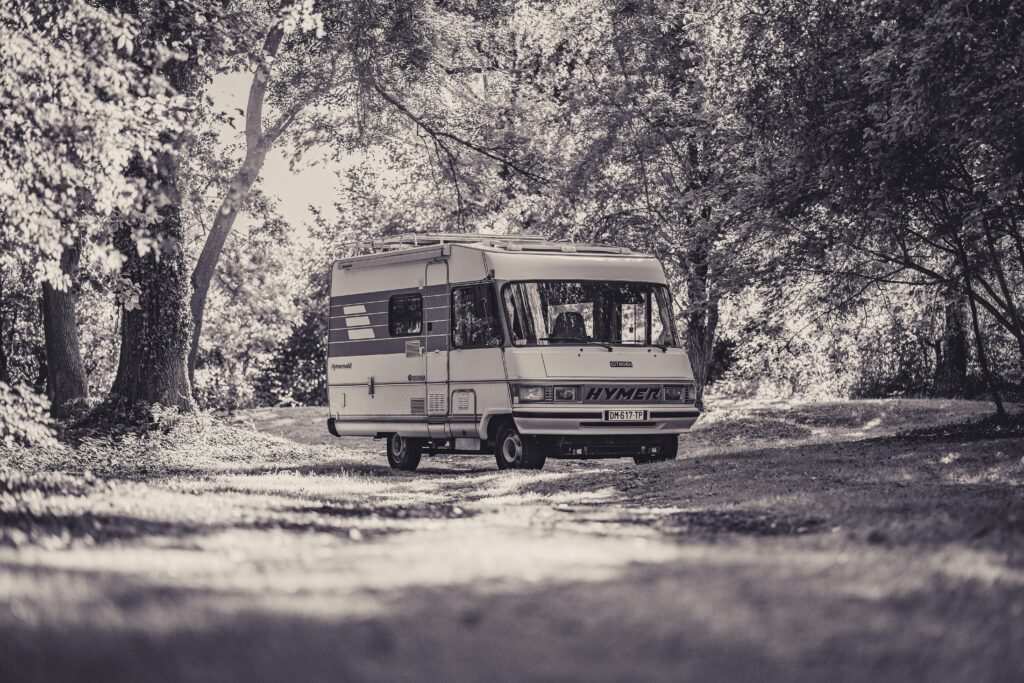
Your RV is more than just a vehicle—it’s your gateway to adventure, your home on wheels, and often represents a significant financial investment. Whether you’re exploring the scenic routes around Ontario or parked at your favorite campground, keeping your RV in pristine condition should be a priority. The challenge? RV detailing in the GTA requires specialized knowledge and equipment that goes far beyond a standard car wash.
Unlike regular vehicles, RVs face unique environmental challenges: harsh UV exposure, oxidation from travel, road salt, tree sap, and weathering that can degrade your exterior in just one season. Without proper care, you could see your RV’s value decrease by 5-8% annually, even with minimal use.
In this comprehensive guide, we’ll walk you through everything you need to know about professional RV detailing, why it matters for GTA owners, and how to maintain that showroom finish year-round.
- Professional RV detailing protects your investment and maintains resale value
- Ceramic and graphene coatings provide 2-5 years of protection against the elements
- Regular detailing prevents oxidation, fading, and structural damage that costs thousands to repair
- GTA-based specialists understand local climate challenges and can customize protection plans
- Interior detailing extends the lifespan of upholstery, appliances, and living spaces
Why RV Detailing Matters in the GTA
The Greater Toronto Area presents unique environmental challenges for RV owners. Our climate features significant temperature fluctuations, salt from winter roads, industrial pollution, and intense summer sun—all working against your RV’s exterior.
Statistics show that properly maintained RVs retain approximately 60-70% of their original value after five years, while neglected RVs can depreciate by up to 50%. The difference often comes down to one factor: consistent professional detailing.
Professional RV detailing in the GTA addresses these issues proactively. It’s not just about aesthetics—though a pristine RV is certainly more enjoyable. It’s about protection.
The Cost of Neglecting RV Maintenance
Skipping professional detailing might save money short-term, but the long-term costs are significant. Oxidized fiberglass requires expensive paint correction (typically $800-$2,500), while untreated water stains can lead to structural deterioration costing $3,000+.
Meanwhile, a comprehensive annual detailing plan runs $600-$1,200, making professional care a smart investment that pays for itself through maintained resale value and prevented repairs.
The Complete Exterior Detailing Process
Professional RV exterior detailing is a multi-step process that addresses every surface of your vehicle. Understanding what’s involved helps you appreciate the care your RV receives.
Step 1: Pre-Wash Assessment and Preparation
Before any water touches your RV, professionals conduct a thorough assessment. This includes identifying problem areas, checking for cracks or damage, and assessing the condition of your current protective coatings.
Your RV is then positioned in optimal conditions for washing, and all loose items (awnings, vent covers, etc.) are secured or removed temporarily.
Step 2: Two-Stage Washing Process
Professional RV detailing uses a two-stage wash system that DIY methods cannot replicate:
- Pre-rinse stage: High-pressure water removes loose dirt and debris without contact
- Contact wash: pH-balanced, biodegradable soaps with specialized brushes safely clean every surface, from fiberglass walls to rubber seals
This prevents the common problem of swirl marks and micro-scratches that amateur washing creates.
Step 3: Decontamination and Deep Cleaning
After washing, decontamination removes embedded contaminants that regular soap cannot address. Professional clay bar treatments and chemical decontamination eliminate industrial fallout, tree sap, and brake dust that penetrate the clear coat.
Specialized attention is paid to awnings, slide-outs, roof seams, and weather stripping where contaminants accumulate.
Step 4: Paint Correction
If your RV has oxidation, swirl marks, or fading, paint correction becomes necessary. Professional detailers use multi-stage polishing systems to remove the oxidized layer and restore gloss and clarity.
Step 5: Drying and Final Inspection
Professional detailers use microfiber drying systems and forced-air drying to prevent water spotting. Your RV is then thoroughly inspected under multiple lighting conditions to ensure perfection.
Interior Detailing: Protecting Your Living Space
Your RV’s interior is where you live, cook, relax, and sleep. Over time, dust, pet hair, spills, and general wear can compromise both cleanliness and air quality. Professional interior detailing restores comfort and hygiene.
Comprehensive Interior Cleaning
Professional RV interior detailing includes:
- Deep carpet and upholstery cleaning with truck-mounted systems
- Vinyl and leather conditioning to prevent cracking and fading
- Kitchen appliance and cabinet deep cleaning
- Bathroom fixture and tile restoration
- Air filter replacement and HVAC system cleaning
- Window and skylight cleaning (interior and exterior)
Professional-grade equipment and products achieve results impossible with consumer-grade tools and cleaners.
Odor Elimination and Air Quality
RVs can develop musty odors from moisture, mold spores, and accumulated pet smells. Professional detailing includes ozone treatment and enzyme-based odor elimination that targets bacteria at the source rather than masking problems with fragrances.
Protecting RV Upholstery and Surfaces
After cleaning, professional fabric protection treatments create a barrier against future staining. Scotchgard-type treatments and modern polymer protectants keep spills on the surface, allowing time for cleanup before liquids penetrate fibers.
Similarly, leather conditioners protect against UV damage and cracking, while vinyl treatments maintain flexibility and prevent hardening.
Ceramic & Graphene Coatings for Long-Term Protection
Advanced protective coatings represent the frontier of RV protection technology. These aren’t your grandfather’s waxes—they’re nano-particle solutions that bond to your RV’s surfaces at a molecular level.
Understanding Ceramic Coatings
Ceramic coatings create a hard, protective layer that’s resistant to UV rays, oxidation, and water spotting. Once applied over properly prepared surfaces, they last 2-3 years with proper maintenance.
Benefits include:
- Extreme hydrophobic properties (water beads and rolls off)
- Resistance to acid rain, bird droppings, and tree sap
- Enhanced gloss and depth of finish
- Reduced need for frequent waxing
- Protection for rubber seals, trim, and plastic components
The Advantages of Graphene Coatings
Graphene coatings represent the next evolution in protective technology. Made from single-layer carbon atoms, graphene offers superior durability (3-5 years), better heat dissipation, and enhanced hardness compared to traditional ceramic coatings.
Graphene coatings are particularly valuable for GTA RVs because they better withstand our temperature fluctuations and UV intensity during summer months.
| Feature | Traditional Wax | Ceramic Coating | Graphene Coating |
|---|---|---|---|
| Durability | 3-6 months | 2-3 years | 3-5 years |
| Hydrophobic Rating | Good (92-95°) | Excellent (98-105°) | Outstanding (105-110°) |
| UV Protection | Moderate | Strong | Superior |
| Cost (Professional Application) | $150-300 | $800-1,500 | $1,500-2,500 |
| Maintenance Frequency | Every 3-6 months | Every 12 months | Every 18-24 months |
Application Process for Maximum Results
Professional application of ceramic or graphene coatings is critical. The surface must be perfectly prepared—cleaned, decontaminated, and polished—before coating application. Any contaminants trapped under the coating can create permanent problems.
Application typically requires controlled temperature conditions (60-75°F), humidity control, and professional expertise to ensure even coverage and proper curing times (24-72 hours depending on product).
“Ceramic and graphene coatings are investments in your RV’s future. They transform how your RV handles weather exposure and reduce maintenance burden by 60-70% compared to traditional methods.”
Creating Your Year-Round Maintenance Schedule
Professional detailing isn’t a one-time event—it’s part of a comprehensive maintenance strategy. A properly structured schedule keeps your RV in showroom condition and protects your investment year-round.
Spring Maintenance (April-May)
After winter storage, your RV needs comprehensive attention:
- Full exterior wash and inspection for winter damage
- Paint correction if salt or ice caused damage
- Interior deep clean and HVAC filter replacement
- Seal and protect rubber trim and weatherstripping
- Apply or refresh protective coatings if needed
Summer Maintenance (June-August)
Summer brings intense UV exposure and heavy use:
- Monthly exterior wash with UV-protective products
- Bi-monthly interior vacuuming and spot cleaning
- Mid-summer inspection for any damage or issues
- Monthly tire treatment and protectant application
- Air filter checks and HVAC maintenance
Fall Preparation (September-October)
Preparing for colder months prevents winter damage:
- Comprehensive exterior detailing and sealant application
- Undercarriage cleaning to prevent salt corrosion
- Interior weatherproofing and moisture prevention
- Window and seal inspection and conditioning
- Prepare storage area or protective covering
Winter Storage (November-March)
Proper storage protects your RV during dormancy:
- Monthly exterior inspection for moisture and salt accumulation
- Undercarriage wash if exposed to salt roads
- Interior temperature and humidity monitoring
- Mold and mildew prevention treatments
DIY vs. Professional RV Detailing
Many RV owners wonder whether they can handle detailing themselves. While some basic care is manageable, professional detailing offers advantages that justify the investment.
What You Can Handle as a DIYer
Basic maintenance tasks are reasonable for experienced RV owners:
- Regular exterior washing with appropriate products
- Interior vacuuming and basic cleaning
- Tire and wheel cleaning
- Window cleaning
- Monthly touch-ups and spot cleaning
These tasks keep your RV presentable and prevent heavy contamination accumulation.
Why Professional Services Excel
Professional RV detailing in the GTA provides:
- Specialized equipment: Clay bar systems, buffer/polishers, truck-mounted carpet extractors, and pressure washers properly calibrated for RV surfaces
- Professional-grade products: Ceramic coatings, paint sealants, and upholstery treatments unavailable to consumers
- Technical expertise: Trained professionals identify damage early and understand proper application techniques
- Efficiency: What takes a homeowner 20+ hours takes professionals 6-8 hours
- Warranty protection: Reputable services stand behind their work with guarantees
- Risk mitigation: Professionals carry insurance covering accidental damage during service
Cost-Benefit Analysis
While professional detailing has an upfront cost, the return on investment is substantial:
A $1,200 annual professional detailing program prevents oxidation that would cost $2,000-$5,000 to correct later, and maintains resale value that could mean $5,000-$10,000 difference when selling your RV.
Professional care isn’t an expense—it’s an investment that pays dividends.
Frequently Asked Questions
How often should I have my RV professionally detailed?
Most RV owners benefit from professional detailing 2-4 times annually: once after winter storage, a mid-summer refresh, a pre-winter preparation, and additional spot services as needed. If your RV is stored outdoors year-round, quarterly detailing is recommended to combat GTA weather exposure.
Can ceramic coating be applied over my current wax?
No, ceramic and graphene coatings require a completely clean, bare surface. Any existing wax or sealant must be removed through decontamination and polishing before coating application. This is why professionals start with paint correction as part of the coating process.
What’s the difference between RV detailing and regular car detailing?
RVs are significantly larger with unique surfaces including fiberglass sidewalls, aluminum trim, rubber seals, and slide-out mechanisms that require specialized knowledge. RV detailing also addresses interior living spaces with different cleaning methods than vehicle interiors. Professional RV detailing services understand these distinctions, whereas general auto detailers often lack RV-specific expertise.
How long does professional RV detailing take?
Full exterior and interior detailing typically takes 2-3 days depending on RV size and condition. Ceramic or graphene coating application adds 1-2 days due to curing requirements. Many GTA-based services offer flexible scheduling to minimize disruption to your plans.
Nascar Auto Care
Professional RV detailing service available in the GTA. Expert technicians, premium products, guaranteed results.

- How To Keep Your RV Looking Brand New Year Round
- How To Prepare Your Luxury Vehicle for Professional Auto Detailing in the GTA
- How To Detail Your Motorbike Like a Professional
- Auto Detailing in Vaughan: Why Vehicles Here See Faster Brake Dust Buildup Than Anywhere Else in the GTA
- RV Detailing Cost in the GTA — What Full Interior and Exterior Protection Actually Costs by RV Length
This article was drafted with AI assistance to ensure factual accuracy.